
Feel more sense more, let your heart function. The intelligence of the heart creates poetry in your life, gives dance to your steps, makes your life a joy… a festivity, a laughter… It makes you capable of love, of sharing. That is true life. – Osho
Feel more sense more, let your heart function. The intelligence of the heart creates poetry in your life, gives dance to your steps, makes your life a joy… a festivity, a laughter… It makes you capable of love, of sharing. That is true life. – Osho

Space verily is greater than radiance.
For in space are the sun and moon,
Lightning, stars and fire.
Through space one calls,
Through space one hears
Through space one replies
In space one delights
Or does not delight…
Meditate on space.That which is Brahman is also the space outside the body.
That which is the space outside the body is also inside the body.
And that which is the space inside the body is also the space within the heart.
That treasure within the heart is full and unchanging.
He who knows this is always full and not subject to change.

Who does not love pots and pans? Many of us collect them as treasures and do not use them. They shine with their copper bottoms, glowing, red mud pots. The blacksmith and potter have crafted them so that the food is delicious and eaten with love. Continue reading

The sun shines not there, nor the moon and the stars, nor these lightnings, not to speak of this fire. When He shines, everything shines after Him; All this is illumined by his radiance. – Mundaka Upanishad. Verse 2.2.10.

Three extraordinary women and their narratives. Jabala, Maitreyi and Shandili have been written before the Christian Era (BCE). My dear ones when I read these legends, I was so pleased that I felt that I must share these stories. Continue reading
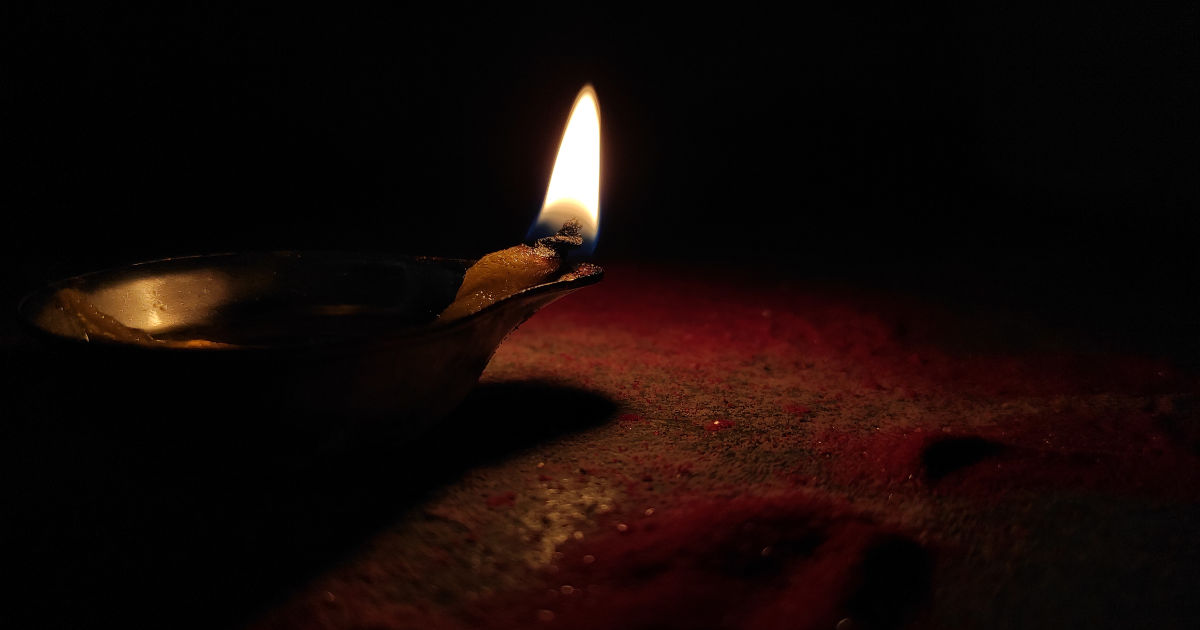
Is it steady or is it wavering? When one meditates with a lighted lamp, it plays a lot of games with one. Sometimes the light whooshes and wavers from side to side, or it consumes the wick. Often one keeps lighting it and it does not light. Continue reading
In ancient times words and music were used to attain an altered state of mind. Music was an aid to develop the mind, spirit, emotions and sensitivity. In this modern age, different forms of music have developed. Until recent times music was used to tranquilize the agitations of the mind. – Swami Niranjananda Saraswati.
In the beginning was Brahman with whom was the Word. And the Word is Brahman. Vedas.
In the beginning was the word and the word was with God and the word was God. – New Testament, The Gospel of St. John.
Hinduism and Christianity agree that in the beginning was the Word. There are many sounds: the sounds of the Cosmos, Primal Vibration, the Logos, the Music of the Spheres, the Word, the Tone and many more. All of these are included in the Sanskrit term Aum. Continue reading
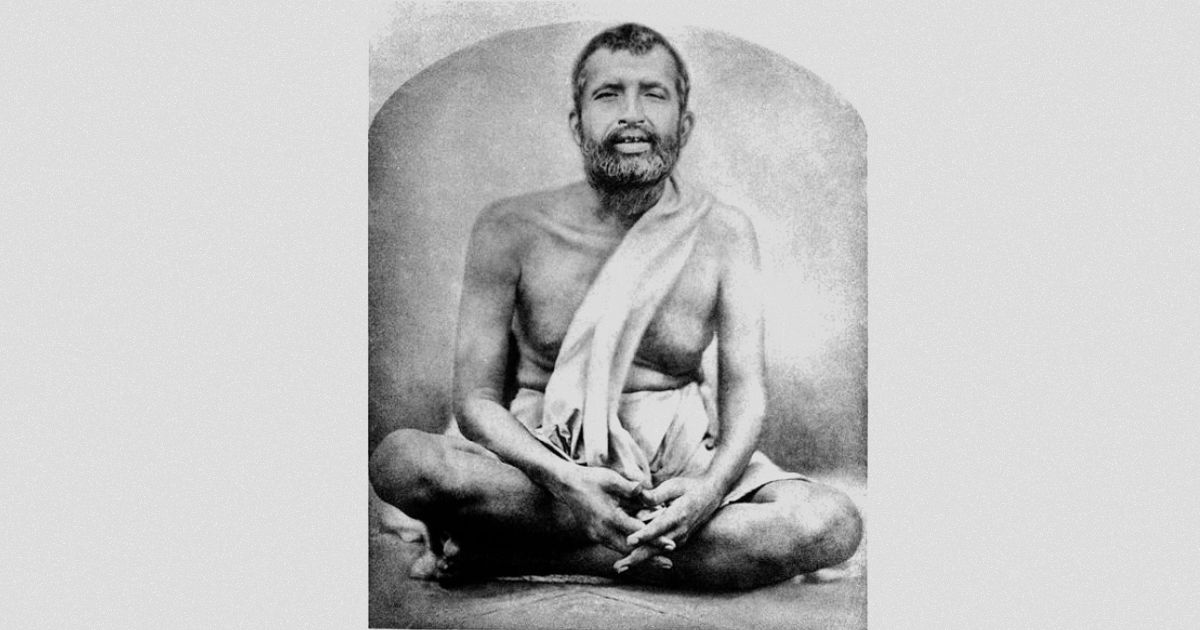
Why did Ramakrishna worship Kali? Ramakrishna had the divine vision of Kali and he was always in communication with her. One does not know whether Kali chose him to express her divinity through him or he chose Kali.
Who is Kali? Is she the Shakti of Shiva? Continue reading

“Make Aum your name. Aum is Atman, the soul, Aum is the Brahman (ultimate reality). Aum is absolute existence, knowledge, and bliss. Aum is your centre, your silence, your refuge and shelter Aum is your heart (hridaya). Do Aum japa, feel Aum, live in Aum. Aum is everywhere, in everything, hum Aum, live in truth, feel Aum everywhere in the ether, flowers, trees, stones, inanimate and animate objects. Rejoice in the light of truth, knowledge and bliss. There is a vast ocean of bliss and knowledge at the back of the mind. Drive the mind into that source.” Swami Sivananda Saraswati.
Aum reminds us of our identity with the supreme soul. Aum blows out our false ego. Continue reading
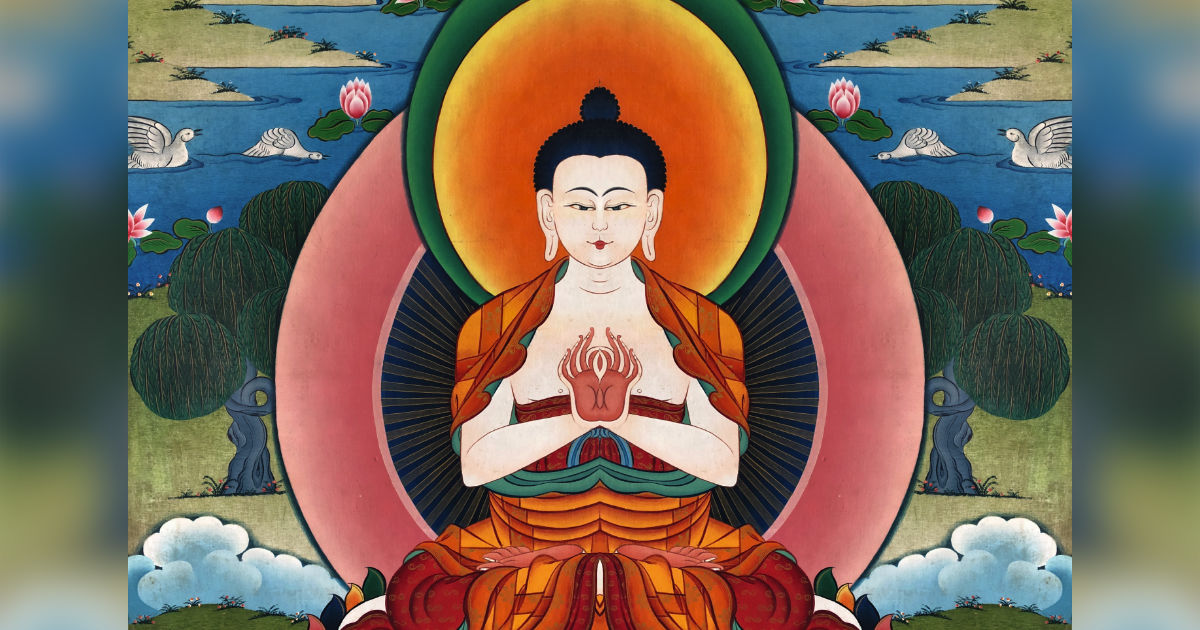
The Therigatha is an anthology of poems about the first Buddhist women who were ordained as nuns. They were known as theris, senior ones. They were given this title because they were enlightened. Gatha means poems and in the Therigatha, these songs are about their experiences. Continue reading
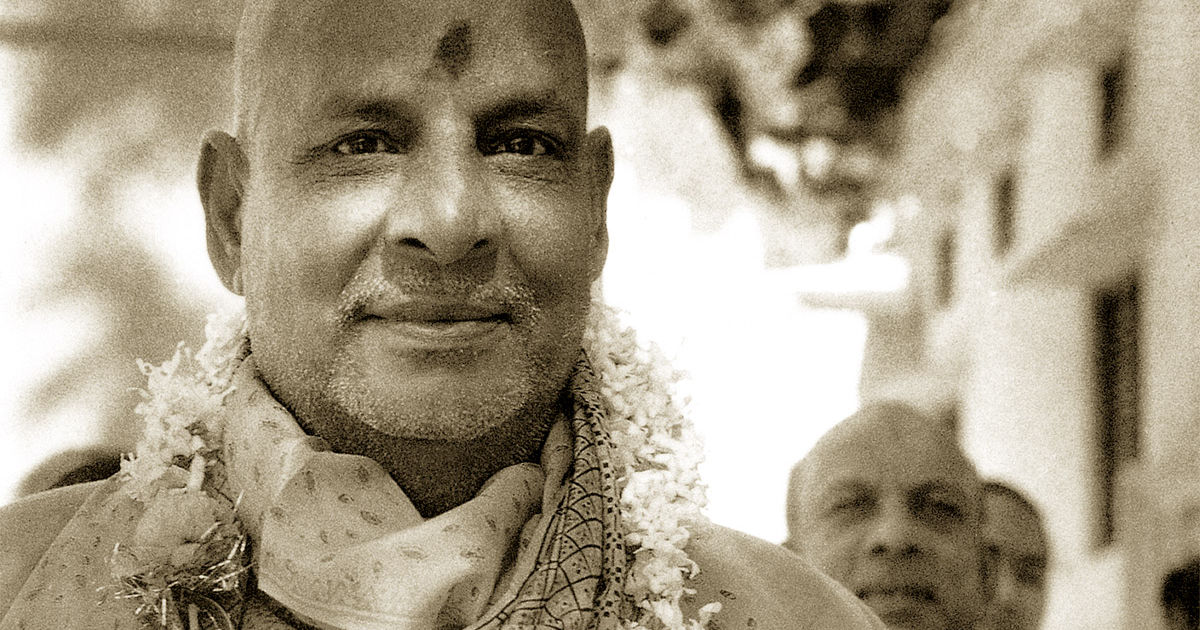
My Guru, Swami Satyanananda Saraswati said “God has created you, so that you may find him within your heart, deep within yourself, beyond the body consciousness, beyond the mental consciousness, beyond the intellectual consciousness. Beyond all forms of consciousness of which you become conscious, there is a consciousness called Brahman… hidden in you.” Continue reading
Brahman Alone Is, without a second. That Thou Art. Tat Twam Asi. Morning talk by Swami Atmaswarupananda from Sivananda Ashram Rishikesh . Recorded by Sukadev from Yoga Vidya during his visit in Sivananda Ashram February 2011.

Podcast: Play in new window | Download
Subscribe: RSS
Swami Atmaswarupananda talks about the Essence of Yoga and Vedanta: Realize Brahman, realize Oneness. Recording of a Talk during Morning Satsang in Sivananda Ashram Rishikesh from Frebruary 2011. Jaya Shri Baba
Podcast: Play in new window | Download
Subscribe: RSS