Integration of lifestyle

Arjuna asked Sri Krishna a question, which we all ask. He said to Sri Krishna,

I can understand that effort and faith go hand in hand, so faith alone cannot provide the means of achieving the final goal; there has to be an effort, there has to be discipline. You mentioned that other aspects of life are governed by the three gunas. What are those aspects? Continue reading

Birthday of the Bhagwad Gita

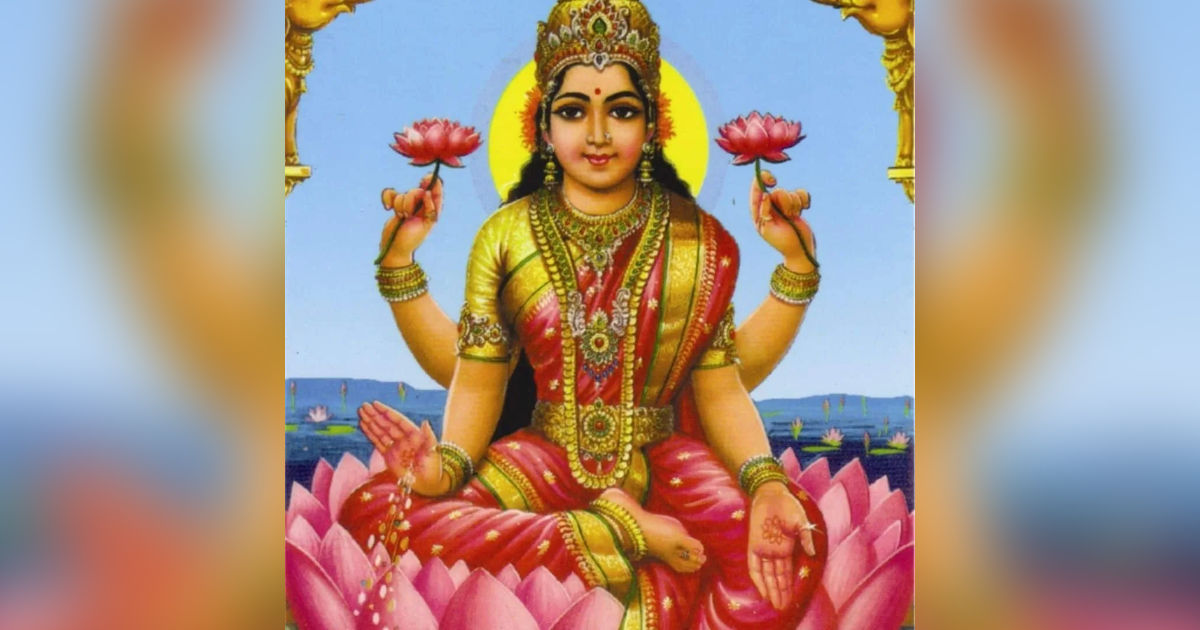
I love the idea of the Bhagwad Gita’s Birthday. It is a beautiful celebration as we work on ourselves and offer prayers to Krishna and Lakshmi. The birthday of the Gita is known as Gita Jayanti. It is celebrated on the 11th day of the waxing of the moon in the Margashirsha Shukla Ekdashi. In the lunar calendar it either begins on the new moon or the full moon. It corresponds to the ninth month of the lunar year. It is considered the most sacred month in Hindu faith. Continue reading

Shaivite Tradition

Shaivism is an ancient form Hinduism that focuses on the worship of Shiva. The term has been derived from the Sanskrit word Shiva, which refers to the Lord of destruction and transformation. Shaivites are devotees, who venerate Shiva and accept him as the Supreme God. They believe that he is responsible for creation, protection and destruction. He is portrayed as representing a fierce destroyer, an innocent, a granter of boons and a loving and compassionate husband. Shaivites strive to achieve liberation from the cycle of birth and death by living a life focused on Shiva and chanting mantras and hymns dedicated to him. Continue reading

Be blessed for all your life

The Shree Shiva Tandava Strotram is a hymn written and sung by the demon king Ravana to praise Lord Shiva. It is about the cosmic dance of Shiva that destroys all negative energies, which exist in one. The content describes the beauty and powers of Shiva in the minutest detail. He is addressed as the destroyer of death. And it ends with his refrain, “When will I be happy?” The result was that Ravana received blessings and a celestial sword called Chandrahaas, because of the intensity of his prayers and rigid meditations. Continue reading

950 – How to live the divine life?

In any form of prayer, a concept if God is essential. The prayers can be tamasic, rajasic or sattvic. At the tamasic level one is using rituals and asking to be protected from the anger of the deities. However, a tamasic (inert) sadhana becomes rajasic and then the puja is more dynamic. The mind becomes more open and one’s awareness increases. Each one of us wants a healthy life free from harm. Then the rajasic puja becomes sattvic, when prayers are offered for forgiveness, forbearance, love and compassion. Continue reading

886 – Bhagawan and Prarthana

Bhagawan is God and prarthana is prayers.

The Lord is Bhagawan (God) and is described as one who knows the cause of creation and destruction, the reason for the birth and departure of Jiva, the period Jiva has to remain on the earth due to his Karma. Bhagawan is not a Guru and this is explained in the Sanskrit literature. Vishnu Purana defines Bhagawan as he who understands the creation and dissolution, the appearance and disappearance of beings, the wisdom and ignorance. Continue reading

660 – Flower theft

My dear ones you are shocked that I am writing about theft. It is such a strong word. It came to my mind when I was looking at my orchid in my apartment in Yoga Vidya. I feel very proud of it, and it looks so graceful. In India, in New Delhi where I live people pluck flowers for their early morning prayers. They like to offer fragrant smelling flowers to the deity. I admire this ritual, I myself do not offer flowers as I feel that their fragrance and beauty should be shared by humans and the birds. Continue reading