Challenge of Gender norms by Sita

While I was praying, I thought of Sita, the mortal incarnation of Lakshmi and her sense of independence and fearlessness.

The story is about Sita performing the Shraddha puja by herself. During their forest exile, after the death of Dashratha, Rama and Lakshman went to collect the necessary items for Shraddha (ancestral rites). As the auspicious time for the Pind Daan (offering of ritual balls) was passing and they had not returned, the spirit of King Dasharatha appeared before Sita and requested her to perform the rites immediately. Sita gave in and started making arrangements by herself. Continue reading

Birthday of the Bhagwad Gita

I love the idea of the Bhagwad Gita’s Birthday. It is a beautiful celebration as we work on ourselves and offer prayers to Krishna and Lakshmi. The birthday of the Gita is known as Gita Jayanti. It is celebrated on the 11th day of the waxing of the moon in the Margashirsha Shukla Ekdashi. In the lunar calendar it either begins on the new moon or the full moon. It corresponds to the ninth month of the lunar year. It is considered the most sacred month in Hindu faith. Continue reading

Fragrant flowers offered to the Gods

The Fragrance remains on the hand that gives the flower. – Mahatma Gandhi.

We offer flowers during our puja. The flowers are plucked early in the morning or bought from a shop selling flowers, which is usually near the temple. The flowers that are offered are yellow marigolds, fragrance lotus buds, red roses, and jasmine. One is not supposed to smell the flowers. However, their fragrance is all around, combined with the burning incense. Continue reading

The virtues of yellow

Yellow is the brightest color in the visual spectrum. It is a favored color and what are the reasons for it. The sun is yellow and sunlight loved by all is golden yellow. It is the easiest color to imagine, it represents happiness and hope. Continue reading

Basant Panchami – Celebrate Spring

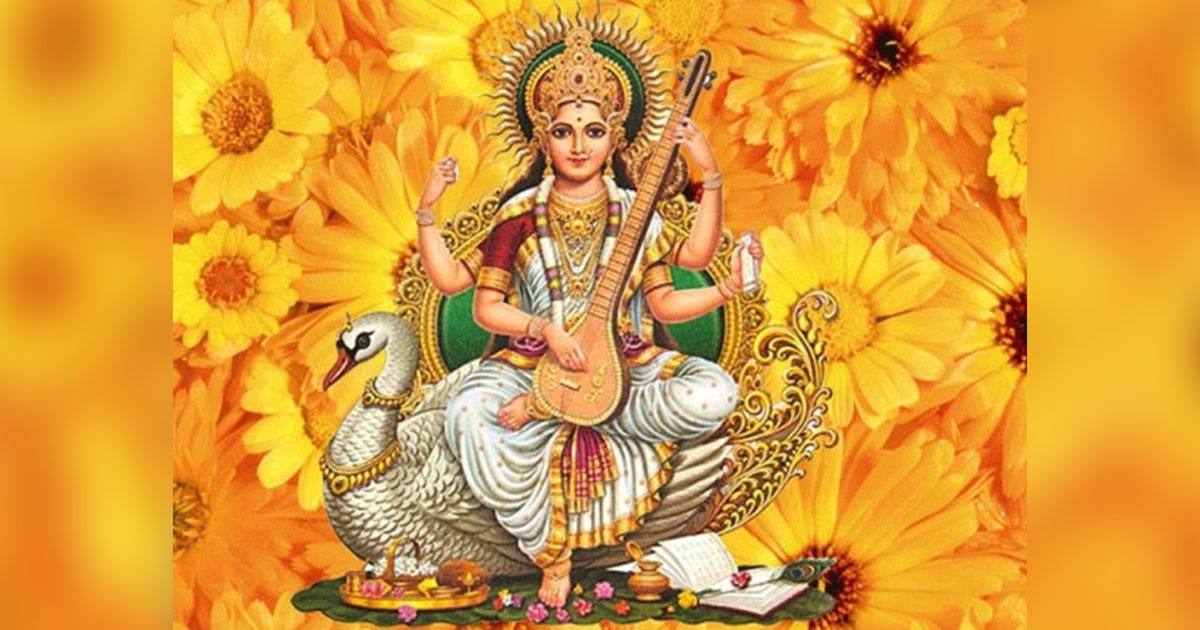
Basant Panchami is being celebrated on the second of February. It is a festival, when we welcome spring and worship Saraswati.

It is also called Saraswati Puja. It is usually observed in late January or early February. Likewise, it is known as the King of all seasons. Since it is early greetings to spring. It marks the gradual transition towards the full bloom of spring. We wear Yellow and are not supposed to touch our books. We worship them. Yellow is the color of Saraswati, who represents creativity, knowledge and it is the color of the ripening mustard fields all over in northern India. Continue reading

834 – Saraswati Puja

Saraswati is the Goddess of knowledge, fine arts and education. Before Saraswati Puja starts, students keep their books and instruments in front of her for blessings. They are not supposed to touch their books as they are kept at the altar. As children, we loved this idea as we would not be able to do our homework. It is believed that if one prays to her with dedication and devotion, one will be blessed with academic success. Also, one becomes Sattvic and all tamasic habits are shed. Continue reading
791 – Handling of fears

Which arise in the mind during puja and meditation.

A saying of the Paramhamsa Swami Satyananda Saraswati.

Explanation by the Master

All of us when we meditate find that we encounter our latent fears. What are these fears? They range from passion, lust, anger, desire, envy and of course unexplained fear. One feels completely blocked as they are churning in the mind. It is a self-defeating battle to suppress them and they keep regenerating and multiplying. Fear is an essential part of Puja with bhava, it pussyfoots in and in dhyana also it comes in. Continue reading

767 – Puja and Yagna


What is the difference between Puja and Yagna? The word puja means prayer and it is 2500 years old. It was found in Griha Sutra, which talks about rituals. It describes the ceremonies (samskaras) that mark each stage of an individual’s life, from the moment of conception to the final death rites; the five daily sacrifices (mahayajna); seasonal ceremonies; and those observed on special occasions, such as house building or cattle breeding. The Griha sutra mentions the word pujaniya, worthy of reverence. It is assumed that the word puja comes from it or from south India. In Tamil, pujai means flowers or offering of flowers. Continue reading

761 – What we learnt as children in a Hindu home

It was unspoken. We knew that God would bless us. Since most of us asked for help to get us out of trouble. It depended on whom one asked. Favorites were Ganesha, Hanuman, Durga, and Saraswati. There were certain simple rituals practiced at home. They were not in your face but they were there. The lamp, and the incense made one aware of the light and the fragrance. And if on the way to school one passed a shrine, one closed one’s eyes for a moment. Continue reading

660 – Flower theft

My dear ones you are shocked that I am writing about theft. It is such a strong word. It came to my mind when I was looking at my orchid in my apartment in Yoga Vidya. I feel very proud of it, and it looks so graceful. In India, in New Delhi where I live people pluck flowers for their early morning prayers. They like to offer fragrant smelling flowers to the deity. I admire this ritual, I myself do not offer flowers as I feel that their fragrance and beauty should be shared by humans and the birds. Continue reading

376 – Navaratri – 9 nights of worship of the Goddess

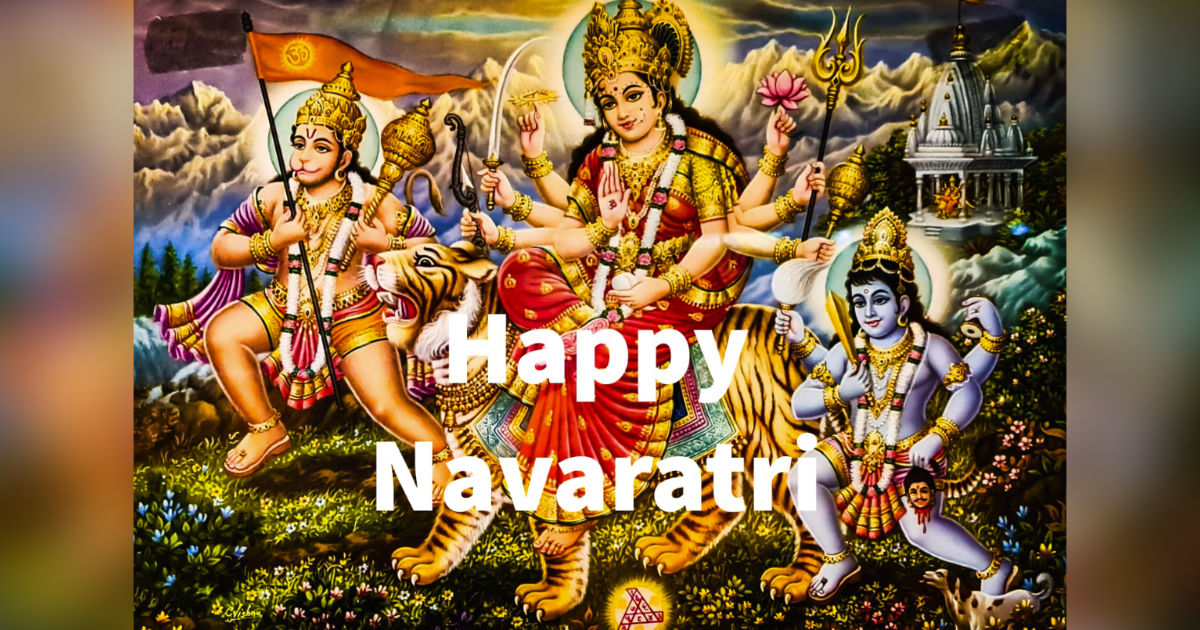
What is worship? Puja begins with external things. One gathers flowers, makes sandal paste, prepares prasad (offering of food to the Goddess) and collects the necessary items for the external puja. However while one is performing this activity, one is conscious that one is attempting to please the mother. All these external activities take one’s mind inwards and focus on the deity. Continue reading