
May I feel the peace existing in the waters, medicinal herbs and trees of nature.
I meditate on the peace which pervades the Aapah (waters), Oshadh (herbs) and Vanaspati (trees).
Om Dyauha Shanti – Shanti Mantra of the Upanishad. Continue reading

May I feel the peace existing in the waters, medicinal herbs and trees of nature.
I meditate on the peace which pervades the Aapah (waters), Oshadh (herbs) and Vanaspati (trees).
Om Dyauha Shanti – Shanti Mantra of the Upanishad. Continue reading

A charm to hasten the coming of the rains.
(Atharva Veda; Book 4; Hymn XV)

Swami Sivananda’s mission and vision was to make people aware of the divine life. He said that material stuff was only one end of the spectrum. In order to experience the evolution of our consciousness, we had to live a healthy life. A healthy life was a balanced body and mind. Continue reading
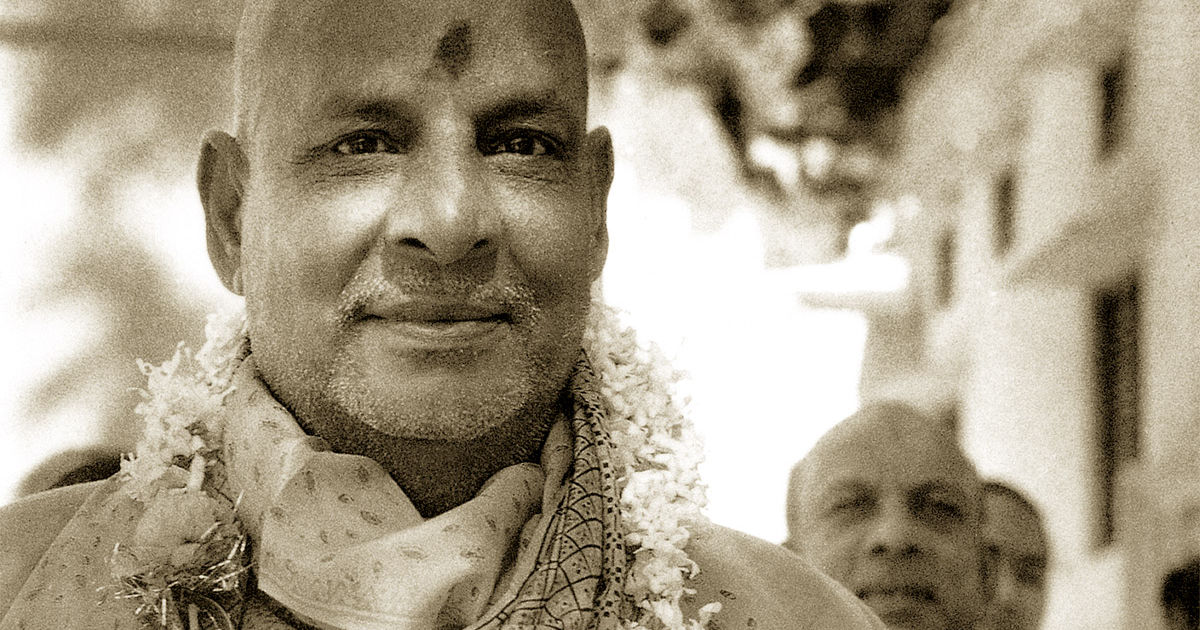
Swami Sivananda defines color and thoughts brilliantly. He also speaks about the color of our thoughts. According to him, a spiritual thought is yellow in color, an angry thought is red in color, a thought focusing on hatred is of a blood red color and a selfish thought is brown in color. Continue reading
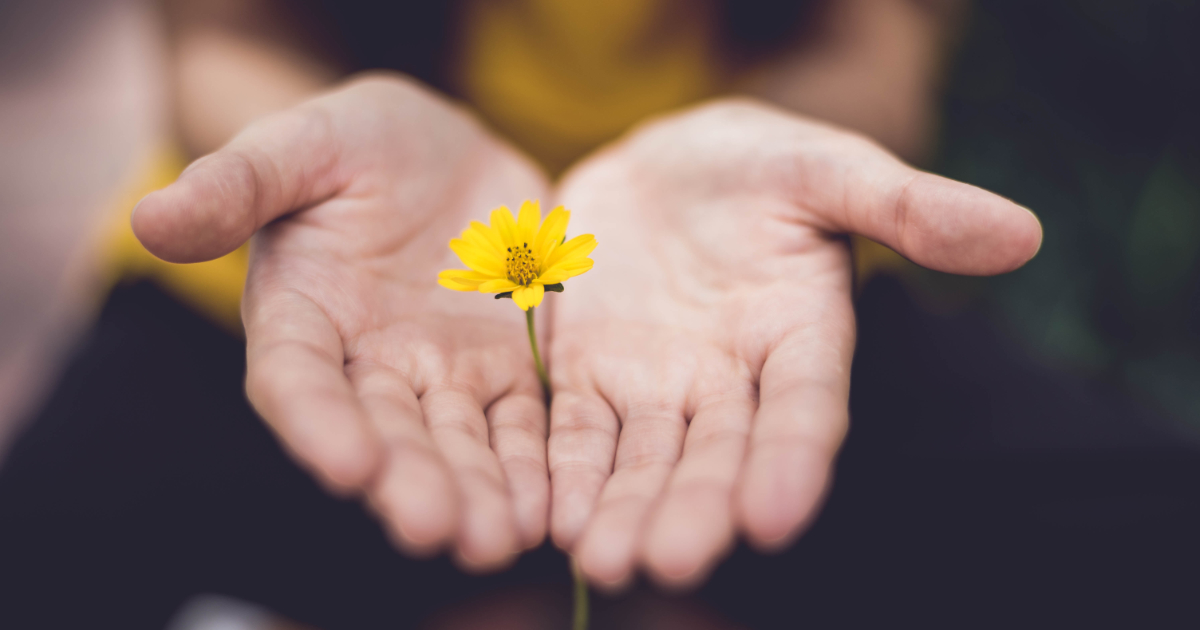
Plant seeds of happiness, kindness and friendship; it will all come back to you in abundance. This is the law of Nature. – Swami Niranjanananda Saraswati
He further says that within all of us there is a very special quality—Sam Rakshan, the caring nature. Sam means complete and Rakshan means to protect and preserve. It is this innate nature that takes one out of one’s self-centered ego and puts the comfort and happiness of others first. Continue reading

“Om Namo Bhagwate Vasudevaya”. I bow down to the Lord who resides in the hearts of all beings. Lord Vishnu dries our tears with his love and compassion.
The best time to chant Lord Vishnu Mantra is between 4am—6am (Braham Muhurta). Have a bath and sit on a mat. Meditate on a picture of Lord Vishnu. The picture is one of Lord Vishnu in Yoga Nidra. Focus on his divine form. Use a Tulsi mala. Thursday is dedicated to Lord Vishnu and praying to him on this day will enable one to have all of one’s dreams fulfilled.
Meditation on the form of Lord Vishnu from the Bhagavatam. Continue reading
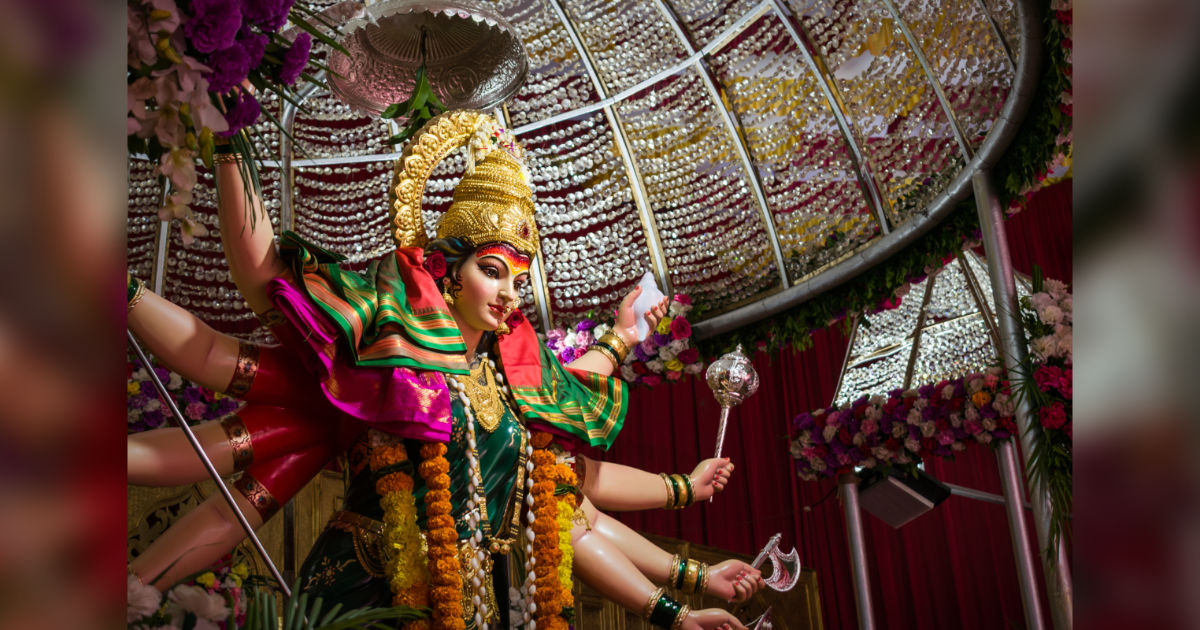
Hinduism is the world’s oldest faith in the world. Hindus believe in the doctrines of samsara (the continues cycle of life, death and reincarnation) and karma (the universal law of cause and effect). In Hinduism, the soul or Atman is the crux of it. Continue reading
Creed and practice // Statement by Sukadev Volker Bretz.
(Originally in German with German subtitles. Activate YouTube subtitles and choose your language.)
As a spiritual-religious community, the members of Yoga Vidya e.V. live the teachings of Vedanta and Yoga in all aspects. How these two pillars shape the self-image of Yoga Vidya e.V. as a spiritual-religious community with an educational mission is explained by Sukadev Volker Bretz in this video. Continue reading
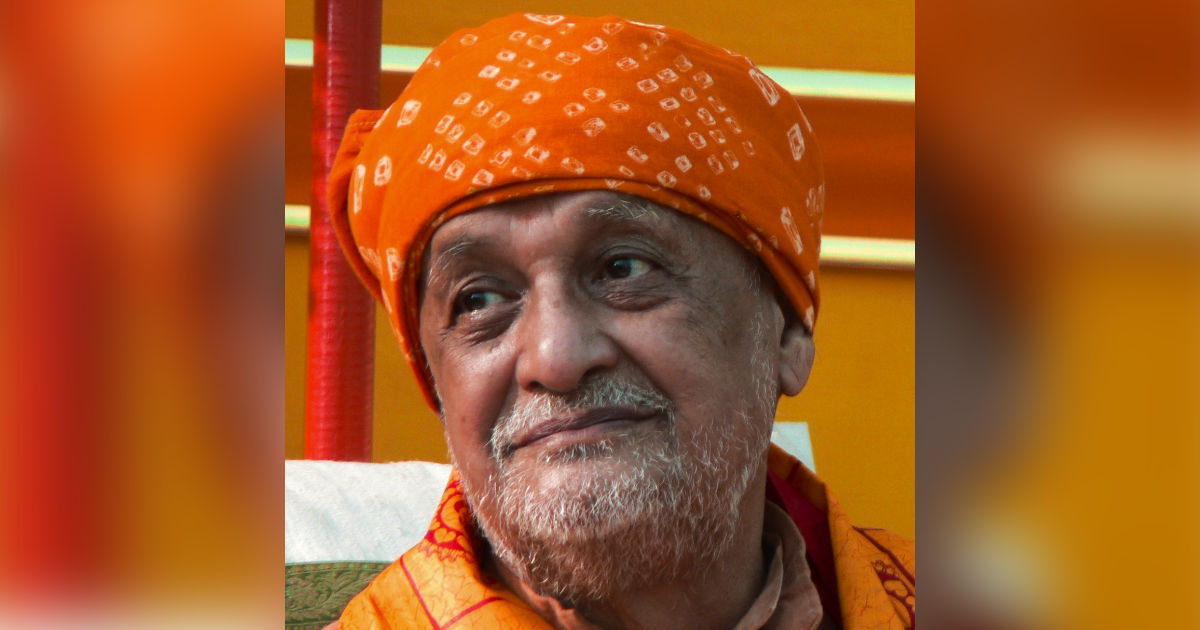
The practices of Ajapa Japa were given by Swami Satyananda Saraswati in 1963 in Cama Hall, Bombay.
In his talk, he has given six practices for the followers of Yoga. They are simple and easy to follow. What is essential is that the Ajapa Japa sadhana has to be practiced for a month. I have written the sadhana as he gave it and it is simply said by the Guru for all to follow. Continue reading

Merging of Soham with Hamso.
Start rhythmic breathing. Breathe in and out with full awareness. As you breathe in, be aware of the breath passing down from the navel. As you breathe out, be aware of the breath passing up from the navel. Be aware of soundless, peaceful and relaxed breathing. Continue reading

The individual sounds of So and Ham.
In the first stage, one synchronized Soham with the breath. In the second stage, one synchronized Hamso, with the breath. Now in the third stage the introspection is upon the individual sound of So with the ingoing breath and Ham with the outgoing breath. After So there is a pause again and after Ham. Be aware of the two individual sounds and do not unite them. Continue reading

During the first stage of Ajapa japa, one introspects upon So with ingoing breath and Ham with outgoing breath. Now in the second stage, the process is reversed. Continue reading

How is it possible to meditate on food and drink? When one thinks of the amount of time one spends on the planning, purchasing and cooking of it, it’s a great deal of energy. It is important for us to do so as our body and mind need fuel. This fuel has to be healthy and pure, and one should think of one’s body as a temple. Continue reading
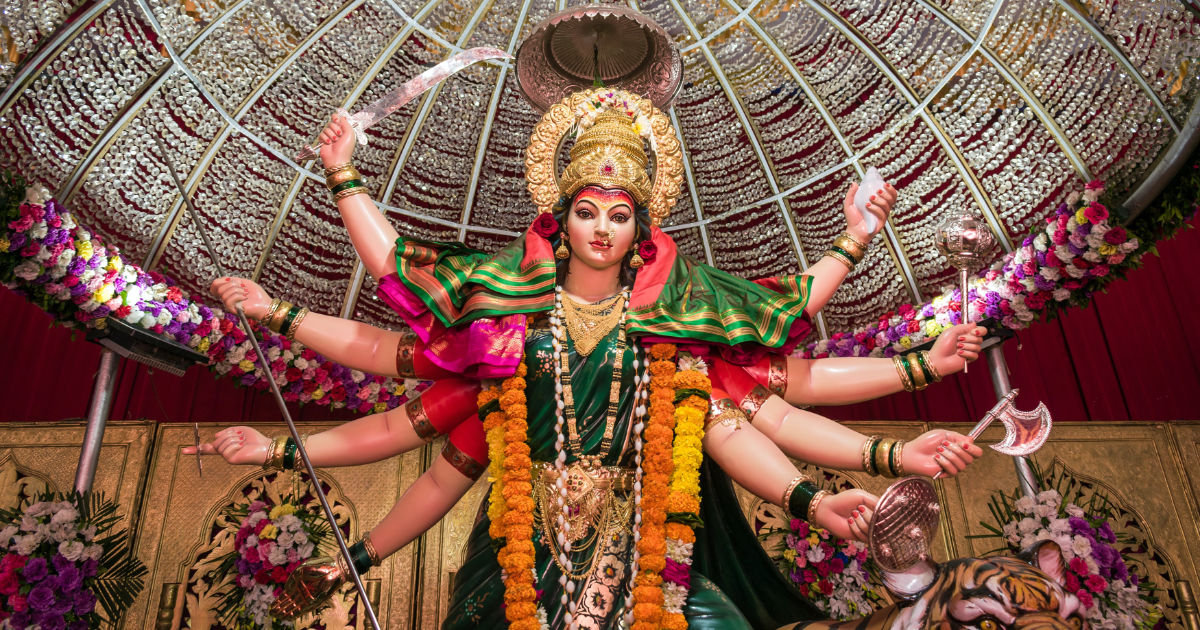
In the mudra of granting what you desire.
The mantra for granting our heart’s desire is from Saundarya Lahiri – Verse 3.
Avidyaanaamantas-timira-mihirodveepa-nakaree
Jadaanaam Chaitanya tabaka-makaranda-sruti-jharee;
Daridraanam chintaa manigunanikaa janmajaladhau
Nimagagaanam damshtraa muraripu-varaahasya bhavati.

As the Buddha was fond of saying, the spiritual teacher only points the way; we must do our own travelling. The personal example of others may plant the seed in our hearts, inspiring us to meditate, but faith can develop fully only when we begin to reap the benefit of meditation in our own lives. – Eknath Easwaran