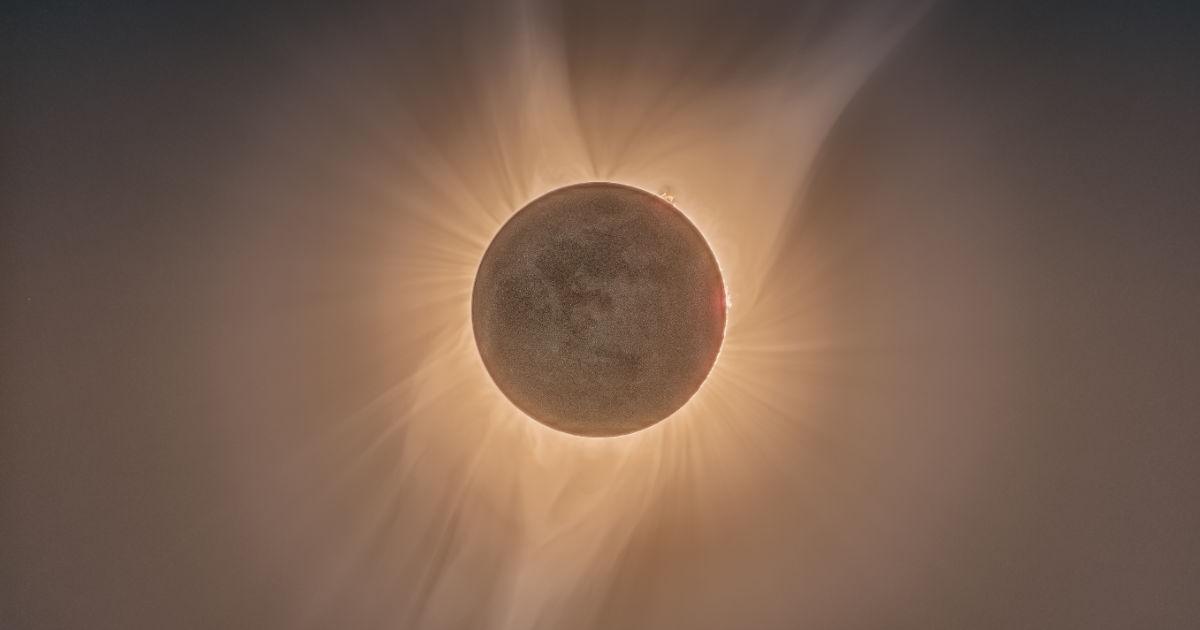
Part 2 of the Hymn of Creation.
10. From that Sacrifice, the Cosmic offering,
Issued forth Rcas (individual stanzas) and Sama-hymns;
From that were born rhythmic meters,
From that also Yajus came. Continue reading

Part 2 of the Hymn of Creation.
10. From that Sacrifice, the Cosmic offering,
Issued forth Rcas (individual stanzas) and Sama-hymns;
From that were born rhythmic meters,
From that also Yajus came. Continue reading

In the Jataveda form, fire is defined as he who knows all creatures. Agni acts as the divine model for the priest. He is the messenger who carries the oblation from humans to the gods, bringing the Gods to sacrifice and intercedes between gods and humans. (Rig Veda. 26.3) Continue reading
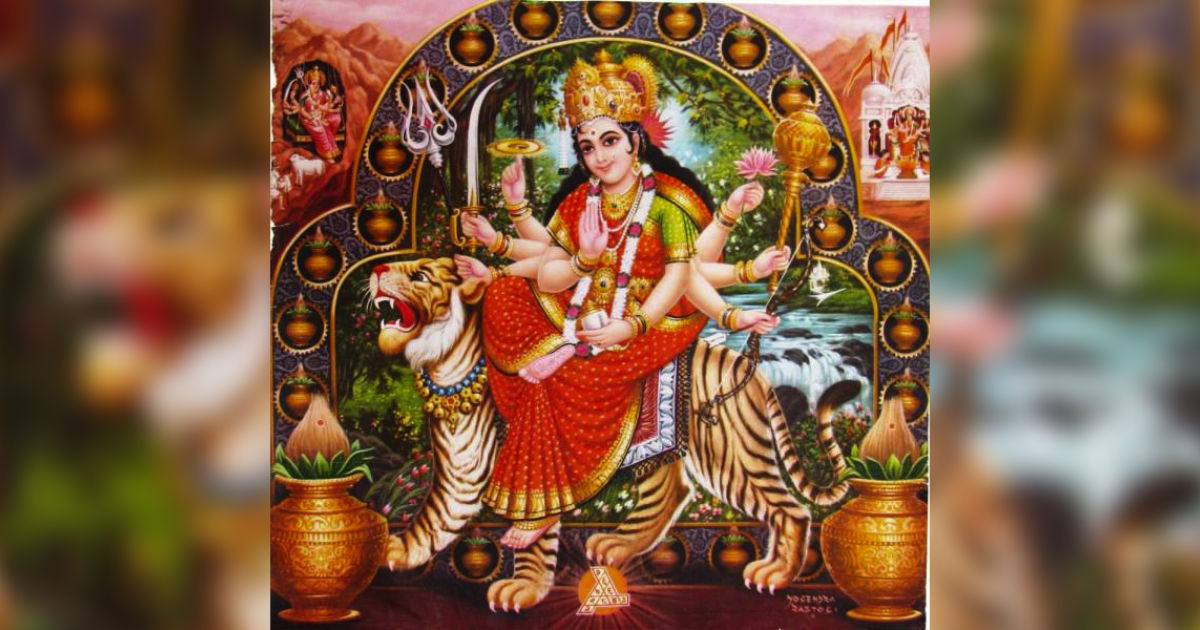
Every important Hindu God has an animal as its vahana (vehicle). They are never without them. In Sanskrit vahana means that which carries or that which pulls. These vahanas are either animals or birds and they represent the various spiritual and psychological energy that bears the Gods. The vahana may wear a saddle upon which the deities sits, or they may pull a chariot, driven by the deity. Continue reading