We are influenced by our senses. They are affected by what is happening on social media. New phrases are being used on social media, and they can change our life. Continue reading
We are influenced by our senses. They are affected by what is happening on social media. New phrases are being used on social media, and they can change our life. Continue reading
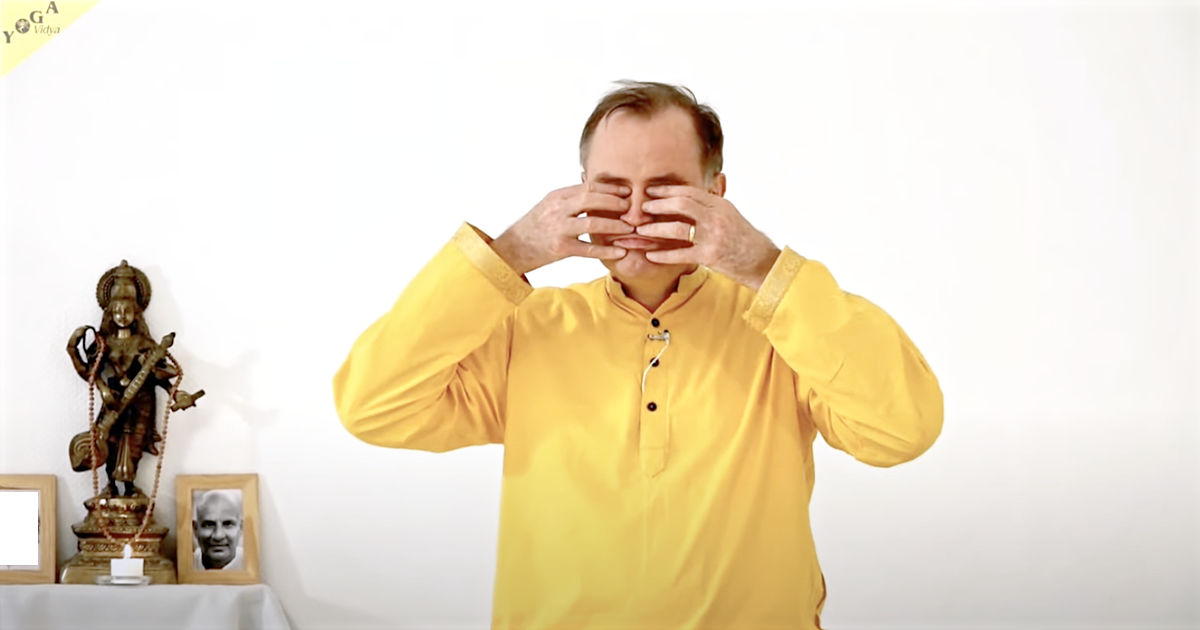
Soham with Shanmukhi Mudra.
This last stage is the most difficult and requires intense imagination, patience and control over the breathing process. First practice Shanmukhi mudra. Close your ears with the thumbs. Close your eyes with the index fingers, and lips with the ring and little fingers. Take a deep breath in and then close your nostrils with your middle fingers. Continue reading
1. Anuloma Viloma
Become aware of the breath and visualize the prana flowing in and out of the left nostril to the count of 27. Repeat with the right nostril. Now practice with the breath and visualize the prana flowing in and out of both nostrils, to the count of 54. You have unblocked both nostrils and restored the balance between Ida (mental activities) and Pingala (vital activities) nadis. Continue reading
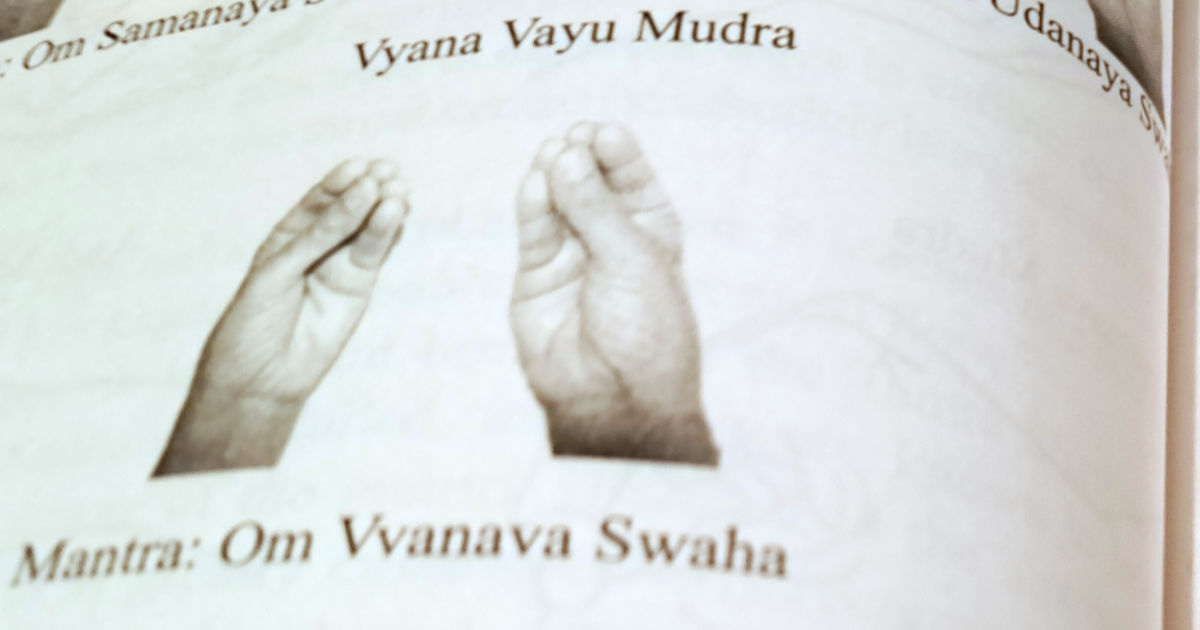
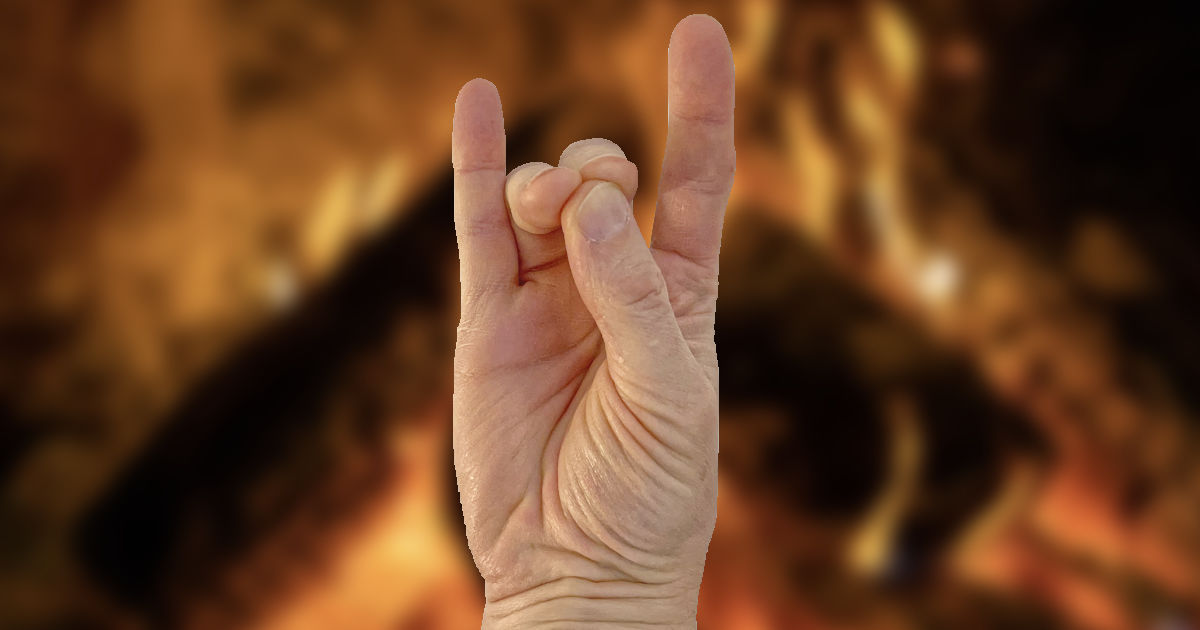
It is a sweeping statement. However, it is possible. Our body is made up of five basic elements – the panch tattva. The five fingers of our hands are regarded as representative symbols of the panch tattvas. Continue reading
Parmahamsa Satyananda said,
Man is born with his breath and with his subtle prana, which is the essence of breath, he departs. Breath is man’s soul companion.
Daily practice of Prana Vayu Mudra pranayama will keep you well in the winter season. Prana Vayu mudra pranayama concentrates on the flow of prana in the area above the diaphragm and the throat. In prana Vayu mudra, the mantra used is Om Pranaya Swaha. Continue reading
How do I unblock my prana and enable it to flow and gift myself a life of wellbeing? There are five keys, I am going to give you a key in each blog. The magical part is that one key can open all the blocks. There is an impediment and I will come to it. Continue reading
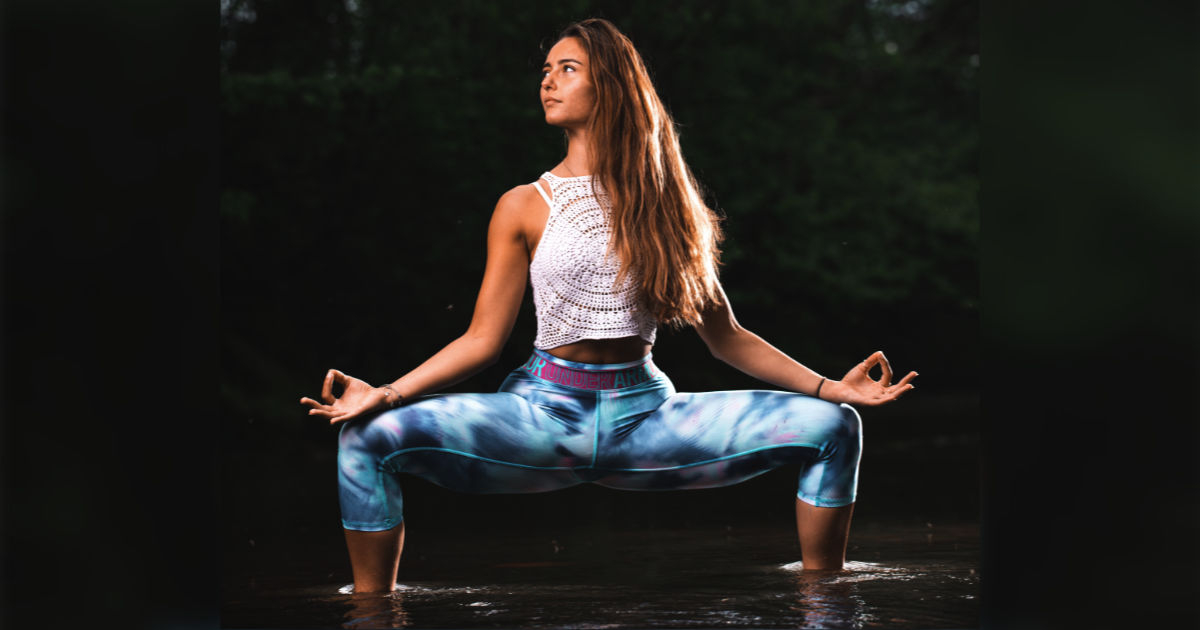
We use the word Shakti, very freely in our daily life. Shakti is the presiding deity of Tantra Shastra. She is the feminine principal to whom all mantras, mudras and other elements of worship are devotionally dedicated. Continue reading
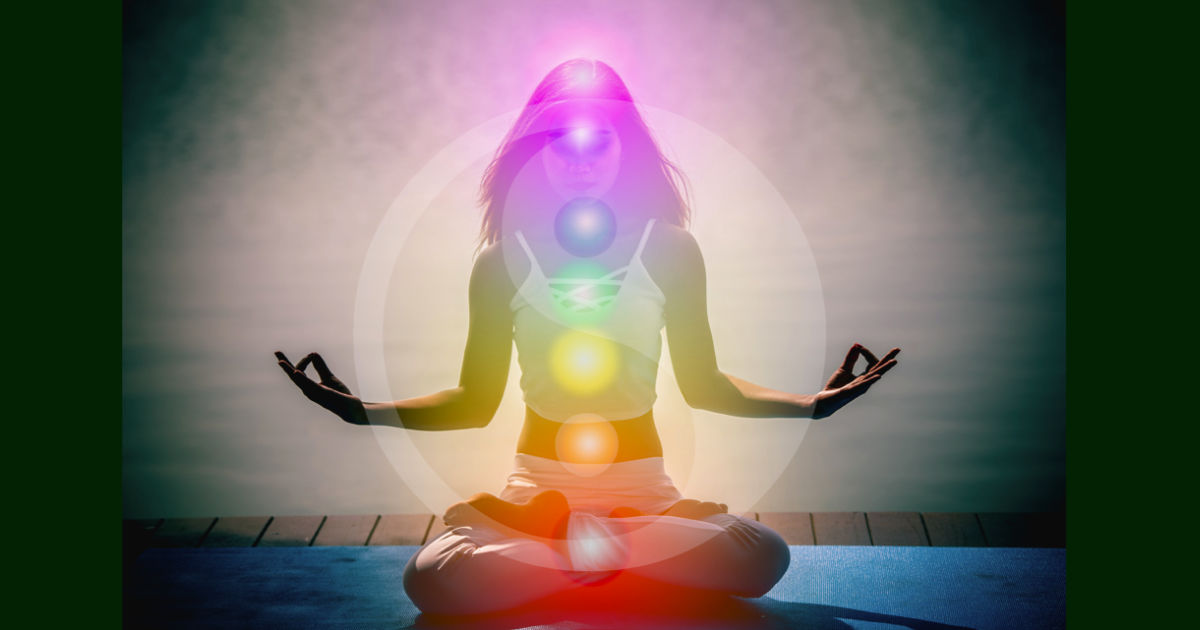
It is a question which is dominant in our mind and sometimes we never find the answer? It leads to dissatisfaction and frustration. The answer is within us. We have to know how to find it. It is not easy and the key to this lock is Yoga. Yoga means balance between the body and mind. Continue reading
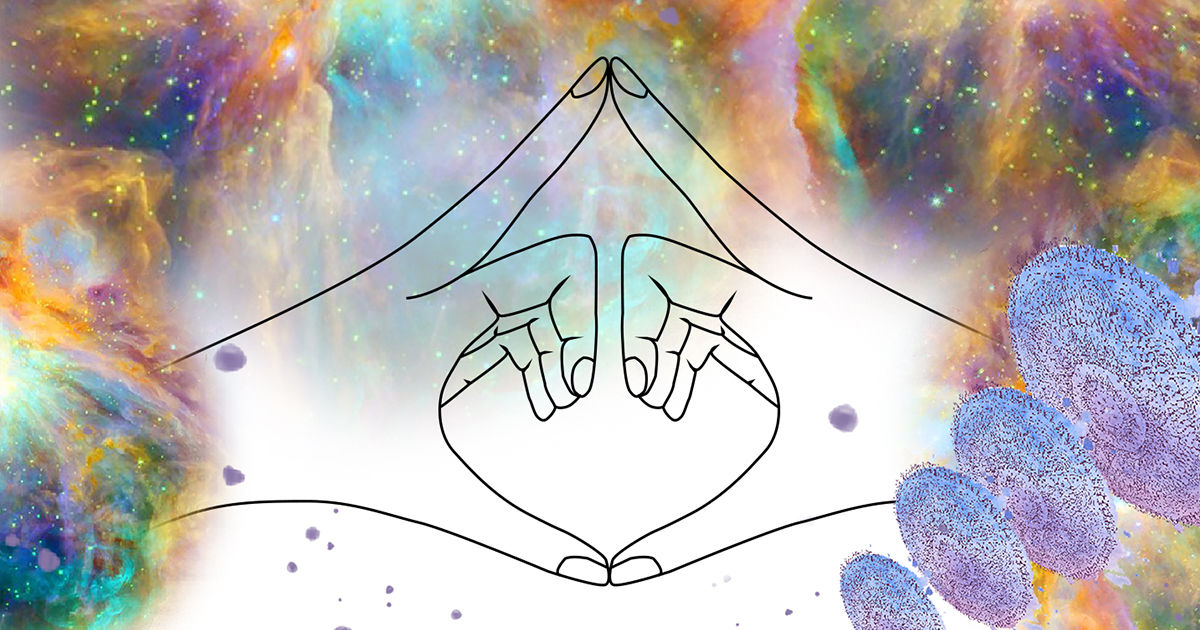
A simple act like joining our hands in prayer can enable us to restore harmony in the universe. Why are our hands so important? We join our hands in prayer. We gesticulate with our hands. We express ourselves with our hands. We use our hands for eating and wiping our tears. We use our hands all the time. Our hands are centers of prana and the yogic mudras enable us to channelize the prana within ourselves. We use our hands for work and last but not least to express our love and tenderness for others and the earth. Continue reading

In all forms of Hindu worship, one form is used and that is joining our hands in Namaste. The palms of the hands are simply placed together in front of the chest. We are bowing to god. This act shows respect to the gods, and it also expresses our humility. Continue reading
Basant Panchami is a celebration of the arrival of spring and it is called also Saraswati Puja. Swami Niranjanananda Saraswati describes true birth: Continue reading
Today when people speak of Hatha Yoga, their understanding is a flexible body and to be able to perform complicated asanas. The actual meaning of Hatha Yoga is to create balance between the body and the mind. Hatha represents the two aspects of within the body and mind. The Surya shakti (solar energy) and Chandra shakti (lunar energy). The solar energy is associated with prana shakti, vital energy, and the lunar energy is associated with chitta shakti, mental energy. Hatha Yoga balances these two energies. We are alive because of these two energies which combine and purify our Prana. Continue reading