Listen to the whispering of your blood

I have been and still am a seeker, but I have ceased to question stars and books; I have begun to listen to the teaching my blood whispers to me. – Hermann Hesse

Dear ones, many of us have read Hesse and seen paintings by the artists like Kandinsky. They were all contemplative and thinking people. They were aware of the subtle breath, Prana and the Kundalini. They were questioning and also reading books about Hindu practices. Continue reading

Become a Bhakt–How so?

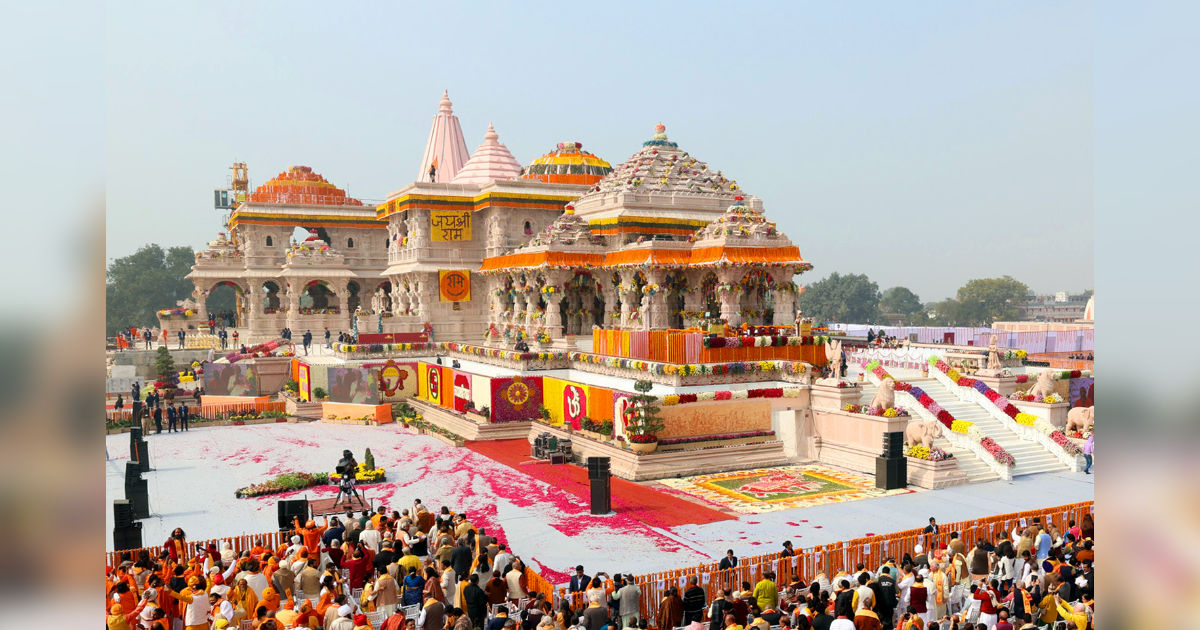
Reading the Ramayana, enables one to understand all aspects of Hindu religion. The Ramayana guides one on the path of spirituality. It is for ordinary beings and all one has to do is chant the name of Rama and be aware of the devotional love which Hanuman had for Rama. To purify one’s prana and then awaken the Divinity within. Continue reading

Oh! Hanuman, bless me with Prana

Hanuman is the embodiment of enthusiasm. If we can cultivate even a fraction of that enthusiasm, we will not be distressed with failure. Hanuman is an empowering hero. He is the son of Vayu; the Wind God and he is considered the God of Prana. Continue reading

Asteya, Brahmacharya and Aparigraha

Asteya, Bhrahmacharya and Aparigraha are the core sadhanas for spiritual awareness and detachment. Asteya refers to integrity, Brahmacharya refers to dedication to spiritual growth and Aparigraha means to be free of any baggage (be it emotional or mental) and to have inner peace and freedom. Continue reading

Combat Breathing—Wow

I have written about the Samvrit Pranayama so many times. Yesterday I came across it in a Whodunit novel. It was called Combat breathing. It took me by surprise. The assassin was practicing combat breathing, inhale to the count of 4, pause to the count of four, exhale to the count of four and pause to the count of four. Continue reading

Liberate your mind through the Shakti of the mantra

There are eight, total primary Bija mantra according to the Mantra Yoga Samhita. Aum, Aim Hrim, Klim, Krim, Shrim, Trim and Strim. The Shakti Bija mantras are considered the most important of all mantras for meditation, worship of deities, energizing prana or for healing purposes. Continue reading

Sleep, Dreams and Prana

Prashnopanishad by Pippalda.

The process of Prana purification is likened to oblations to the Everlasting One. Prana healing happens at the physical, emotional, mental and spiritual level.

Gargya the grandson of the sun god, Surya, asked Pippalda:

“What is the nature of sleep and dreams, why does one need sleep and why does one dream?” Continue reading

Oh Prana, Prana, Prana

Dear ones, the Prashnopanishad gives the most illuminating description of Prana. One is able to understand Prana. Prana is likened to a mother who takes care of her offspring.

Prashnopanishad literally translates to Upanishad of Questions. It is an Atharvan Upanishad. Its dialogue explores existential questions, and this question addressed to Pippalda by Bhargava relates to understanding the importance of Prana in attaining Brahman. Continue reading

Accept sadness as a strength

Swami Satyananda described sadness as a product of the mind, born from guilt, hurt and self-unacceptability, rather than an external event. He taught that emotions are a result of mental conditioning. Spiritual practices can help transcend suffering by shifting the mind’s attitude, gaining control over it and fostering inner acceptance. Continue reading

A harmonious self

It is wisest to be impartial. If you have health, but are attached to it, you will always be afraid of losing it. And if you fear that loss, but become ill, you will suffer. Why not remain forever joyful in the self? – Swami Yogananda

A harmonious self is far more valuable than an unhappy self. Ill health can affect us anytime, but do we have to brood about it and dwell on it. One has to understand that it is our thoughts which are influencing us and when that happens, we begin to think that we are victims. The question which come up is: “why me”? Continue reading