There are nine gemstones mentioned in the Vedas and they are called the Navratan. According to Hindu culture, the universe is believed to be comprise seven grahas and two nodes to form a combination of nine planets or Navagrahas. These nine Grahas are considered Gods and their position in an individual’s birth chart decides good or bad in a person’s life. Continue reading
Tag Archives: indra
The Hymn of Fearlessness—Abhay Sukta
Abhay Sukta—Hymn of Fearlessness is from the Atharva Veda (Kanda XIX, Hymn 15). It is a powerful Vedic prayer addressed to Indra. It is chanted to dispel anxiety, overcome fear of the unknown, and seek protection against both internal and external threats. It is said to have been composed in the period of 1500 BCE and 1000 BCE. The Sukta states surrendering to the divine to achieve a state of inner calm and absolute security. Continue reading
Why do we pray to Indra?
We pray to Indra to remove fear. Fear as we know wishes to accompany us all the time. We may not admit it but we are aware of its niggling presence. So why do we pray to Indra? Indra was the supreme Vedic king of the Gods, the wielder of the thunderbolt (Vajra) and is looked upon as the Utimate Conqueror of Darkness. He is even today revered as the divine protector who dispels both natural and supernatural threats. Continue reading
Ravana’s super power
Vishnu took the form of a mortal, Rama to combat with Ravana, the ten headed demon king. Ravana had been blessed with the boon that no God could kill or harm him. He had overpowered all the Gods. There was fear all around and he had abducted Sita, Rama’s wife. Sita was an incarnation of Lakshmi. Continue reading
Oh Prana, Prana, Prana
Dear ones, the Prashnopanishad gives the most illuminating description of Prana. One is able to understand Prana. Prana is likened to a mother who takes care of her offspring.
Prashnopanishad literally translates to Upanishad of Questions. It is an Atharvan Upanishad. Its dialogue explores existential questions, and this question addressed to Pippalda by Bhargava relates to understanding the importance of Prana in attaining Brahman. Continue reading
Why do we love elephants?
Who does not love elephants? It is impossible to believe that any one of us does not respect elephants. India’s image for a long time was that elephants were walking on the streets. When I was growing up and until twenty odd years ago, we would see elephants walking on the roads. One would see them most often on a Wednesday, which happens to be the day one prays to Ganesha. Continue reading
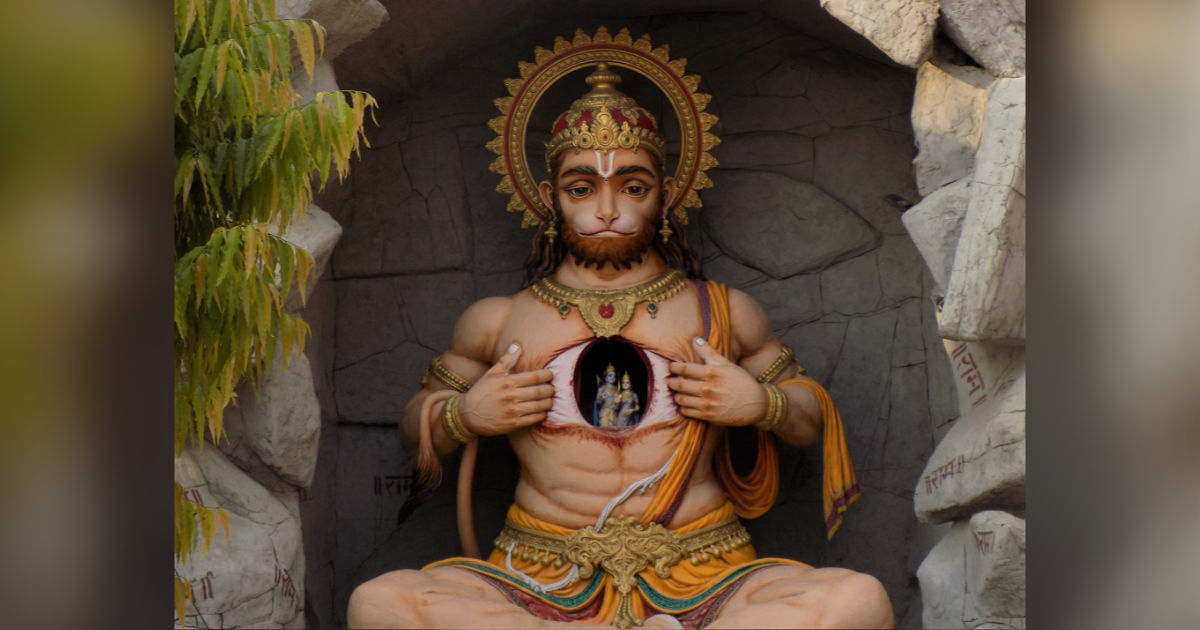
Hanuman, the God of Prana
Hanuman was the son of the Vayu, God of the Wind. His mother, Anjane was a beautiful celestial nymph, who had been cursed to be born on earth as a monkey princess, because she was an impetuous maiden by Brihaspati’s wrath. Brihaspati was the guru of the Devas. Her curse would only be uplifted when she would bear a child. Anjane was seen by the Wind God and despite being a monkey, she was very beautiful. He was enchanted by her and he blew on her. Hanuman was born and she was freed of the curse. Continue reading
The jeweled Net of Indra
What is the connection and context of a net? Net often symbolizes interconnectedness, judgement or entrapment.
Today when we speak about the net, we think of the internet. It means interconnected network, a global system of interconnected computer network that allows users to share information, communicate and access a wide range of online resources. Continue reading
Who is the PERFECT woman?
I am aware dear ones that today is International Women’s Day. All kinds of attributes are given to womankind. Sages are writing that we must create a world where women are celebrated not just as their roles as mothers, wives or daughters but also as creators, leaders and spiritual beings who shape the essence of life. Continue reading
Deep Aradhana – worship with lamps
Lakshmi is the Goddess of wealth in every aspect. She resides where there is truth, charity and dharma. The Sri Suktam in the Vedas is dedicated to her and she is one of manifestations of Adya Shakti.
Lakshmi is addressed by many names: Vriddhi (growth), Matri Rupa (like mother), Vasudha (Earth) and as Aditi, mother of all the gods. Continue reading
738 – Govardhan Puja
Govardhan Puja is celebrated a day after Diwali. What is special about it? A Govardhan Parvat is made from Cow dung and people worship cows. The story behind it is that great festivities were going on in Braj. Braj is a region on both sides of the Yamuna with its center at Mathura. Continue reading
704 – Pitru Paksha Shradh
An important Hindu ritual
Pitru means ancestors. Paksh refers to a lunar phase (fortnight). In the lunar month there are two pakshas or fortnights, suklapaksha (bright fortnight) and Krishnapaksha (dark fortnight). Shradha means a Hindu rite performed on behalf of departed ancestors. Pitru Paksha Shradha is a ceremony in which devotees pay homage to their dead ancestors. Various rituals are observed. Pitra means dead ancestors and these rites enable their souls to rest in peace. Offering food in the name of the ancestors is the most important part of the ceremony. Continue reading
696 – Nasadiya Suktam, pt. 2
Part 2 of the Hymn of Creation.
10. From that Sacrifice, the Cosmic offering,
Issued forth Rcas (individual stanzas) and Sama-hymns;
From that were born rhythmic meters,
From that also Yajus came. Continue reading
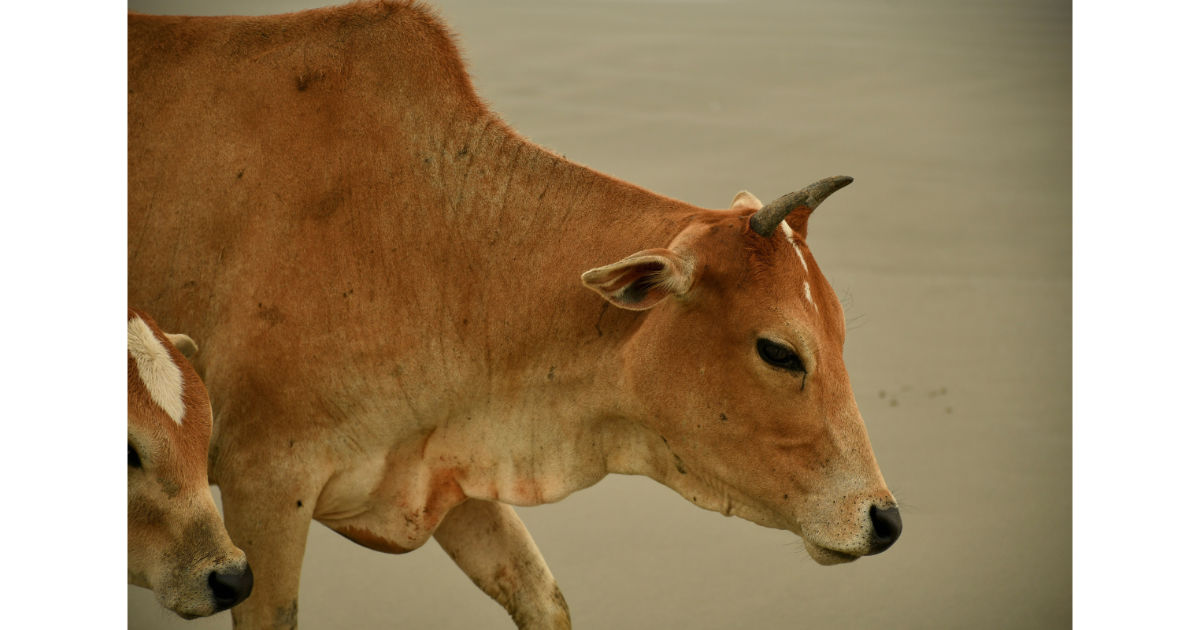
642 – Worship of Gau Mata
Why we worship Gau Mata?
Greatness of Gau Mata (Mother Cow) is associated with Aditi, the mother of all Gods in the Hindu Scriptures.
The Vedas with their six limbs, pada (foot) and krama (to go step by step) reside in the mouth of the Cow.
Hari and Keshava reside on the horns. Hari and Keshava are Vishnu’s names.
Skanda resides on the belly. Skanda is the first born of Shiva. Continue reading
383 – Visualization from the Devi Sukta
Why is the Devi Sukta important?
It brings spiritual and material wellbeing to the believer, listener, and the reader. If one is neither and is only a believer in the power of The Goddess, then the visualization will help. The Devi Sukta destroys all illusions in one’s mind. The Devi Suktam cleanses one’s mind of all apprehensions and suspicions.
It removes all the misfortunes and imperfections of the devotees. A suktam is a hymn in praise of the deity intended a collection of very beautifully composed incantations is called a sukta. Continue reading