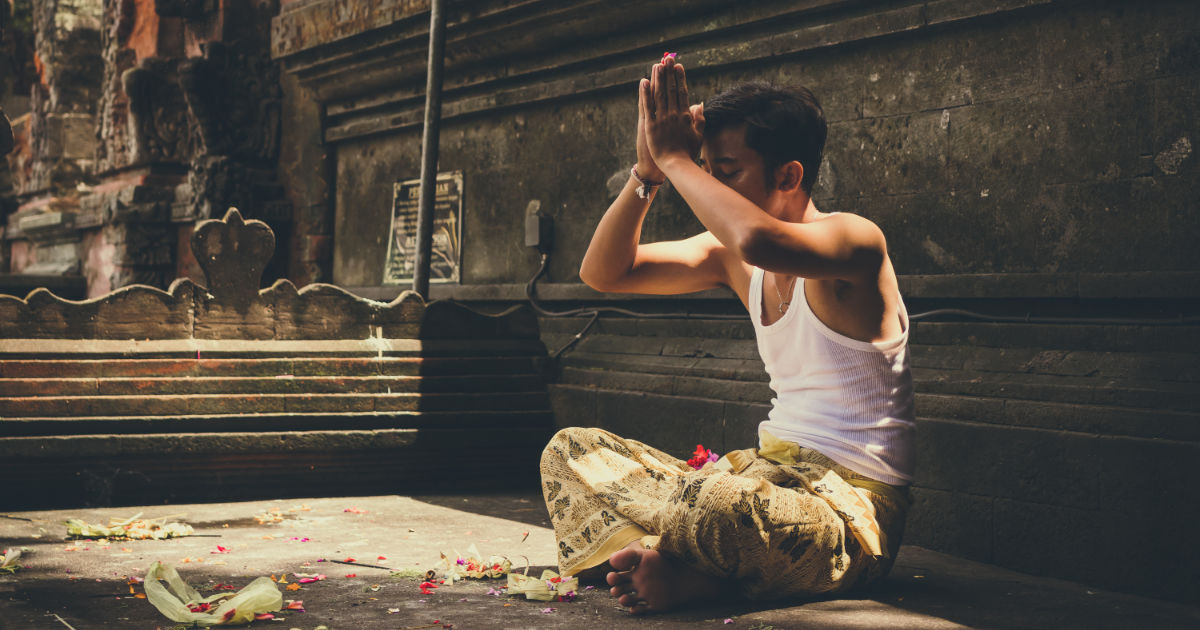

Brahmari Sadhana is the practice of Brahmari pranayama, with the mantra Soham. In Sanskrit Brahmari is bee, and the pranayama is akin to a bee humming. It comes from the humming sound made while exhaling. Brahmari pranayama is the life-force that vibrates the whole brain by control of the pituitary gland. Continue reading
Tag Archives: Dharana
Equanimity: Dharanas 100 and 101
Equanimity is a state of non-attachment, where one observes experiences without getting carried away by them. In Shaiva Tantra equanimity is also a pathway to deeper spiritual realization. Equanimity is cultivated through practices like self-reflection and cultivating awareness of one’s thoughts and emotions.
Vijnana Bhairava gives two Dharanas. Continue reading
Consciousness enables one to make the right decisions
God lives in every part and pore of one’s body. It is believed according to science that there are millions of cells in the body, and each one contains intelligence. So, the power of God is in every cell. However, it lies dormant. All the Gods and Goddesses lie asleep in the body. Continue reading
Bhagwad Gita–High on Waves
Look upon the spirit as the rider,
Take the body for the chariot,
Regard the mind as reins,
The senses as steeds,
And objects of the senses
As the way they trample on.
Continue reading
903 – Bhakti Sadhana
Bhakti Sadhana in the Srimad Bhagavatam has been explained very simply. There are three things which one must heed. They are Darshan or inner vision, Shravana or hearing, and inner Chintan or contemplation. Through Darshan, Shravan, and Chintan the mind becomes one with the lord. The example given is it does not matter what the shape of a vessel is. It can be misshapen. When one pours liquid into it, it takes the shape of the vessel. The liquid will retain the shape of the vessel as long as it remains in it. Similarly, when one hears the name of the lord, when one contemplates on the qualities of the lord and when one brings to mind the form of the lord, the mind takes on the aspect of the lord. – Swami Niranjanananda.
390 – Happiness
How do we define happiness? Is it not related to us? We are pleased that we have got a pay raise. We are so ecstatic that we have a great partner and friends. We are so content that we have a home, children and a pet. The list goes on. Continue reading
263 – Shiva Yoga
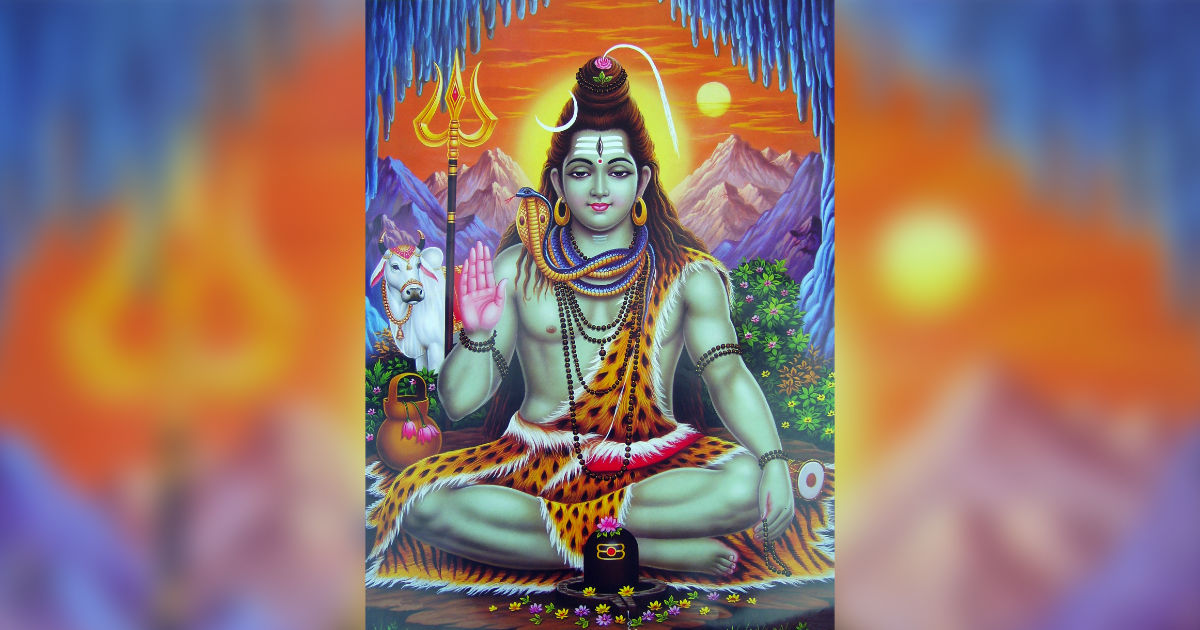
The Yoga described in Pashupata Tantra, is neither hatha yoga nor raja yoga, it is a yoga named by Swami Niranjanananda Saraswati as Shiva Yoga.
Shivenasaha yogah: Shiv yogah “The teachings of yoga as associated with Shiva will be called Shiva Yoga.” Shiva Yoga is the most important as it has four parts: hatha yoga, raja yoga, bhakti yoga and karma yoga. Continue reading
228 – Easter Sunday, meditate on joy
Easter Sunday is celebrated as a joyous holiday because it represents the fulfillment of the prophecies of the Old Testament and the revelation of God’s plan of salvation for mankind. Continue reading
148 – Ajna Chakra and the elements
We have worked on the five elements, and we have been consistent and dedicated in our sadhana. When our five elements and our chakras are balanced, ajna chakra the command centre is in control of our responses and reactions. We have ceased the battle with our contrariness and inconsistencies. The ajna chakra is the centre for our past, present and future memories. Continue reading


Bhakti Sadhana in the Srimad Bhagavatam has been explained very simply. There are three things which one must heed. They are Darshan or inner vision, Shravana or hearing, and inner Chintan or contemplation. Through Darshan, Shravan, and Chintan the mind becomes one with the lord. The example given is it does not matter what the shape of a vessel is. It can be misshapen. When one pours liquid into it, it takes the shape of the vessel. The liquid will retain the shape of the vessel as long as it remains in it. Similarly, when one hears the name of the lord, when one contemplates on the qualities of the lord and when one brings to mind the form of the lord, the mind takes on the aspect of the lord. –