The Maha Shivaratri Story

Maha Shivaratri is considered one of the holiest festivals. It commemorates several cosmic events.

  1. It honors Shiva and Parvati’s marriage. Shiva married Parvati, his divine consort, for a second time on this night. It is in celebration of their divine re-union that the day is observed as the “Night of Shiva,’ Shiva signifies Purusha (mindfulness), and Parvati (Prakriti). This is a union of mindfulness and nature. It promotes creation.
  2. Lord Shiva was incarnated as Rudra during the midnight of Maha Shivaratri, with Brahma’s blessings.
  3. It is also believed that Shiva performed his cosmic dance of creation, preservation and destruction (Rudra Tandava), when he heard that his consort Sati (Parvati in her earlier incarnation) had leapt into the Yagna fire.
  4. During the churning of the ocean, Shiva drank the poison which came out of the sea. This poison could have destroyed the universe. This is the reason why Shiva has a blue neck and he is called Nilkanth (Savior of the Universe). Shivaratri is observed to honor the day for preserving the universe.
  5. When Brahma and Vishnu fought for supremacy, Shiva manifested as an unending pillar of light (Linga) to stop them, and establishing himself as the supreme, all-encompassing force. He is also known as Lingobhava (Divine Light).

Continue reading

Oh Prana, Prana, Prana

Dear ones, the Prashnopanishad gives the most illuminating description of Prana. One is able to understand Prana. Prana is likened to a mother who takes care of her offspring.

Prashnopanishad literally translates to Upanishad of Questions. It is an Atharvan Upanishad. Its dialogue explores existential questions, and this question addressed to Pippalda by Bhargava relates to understanding the importance of Prana in attaining Brahman. Continue reading

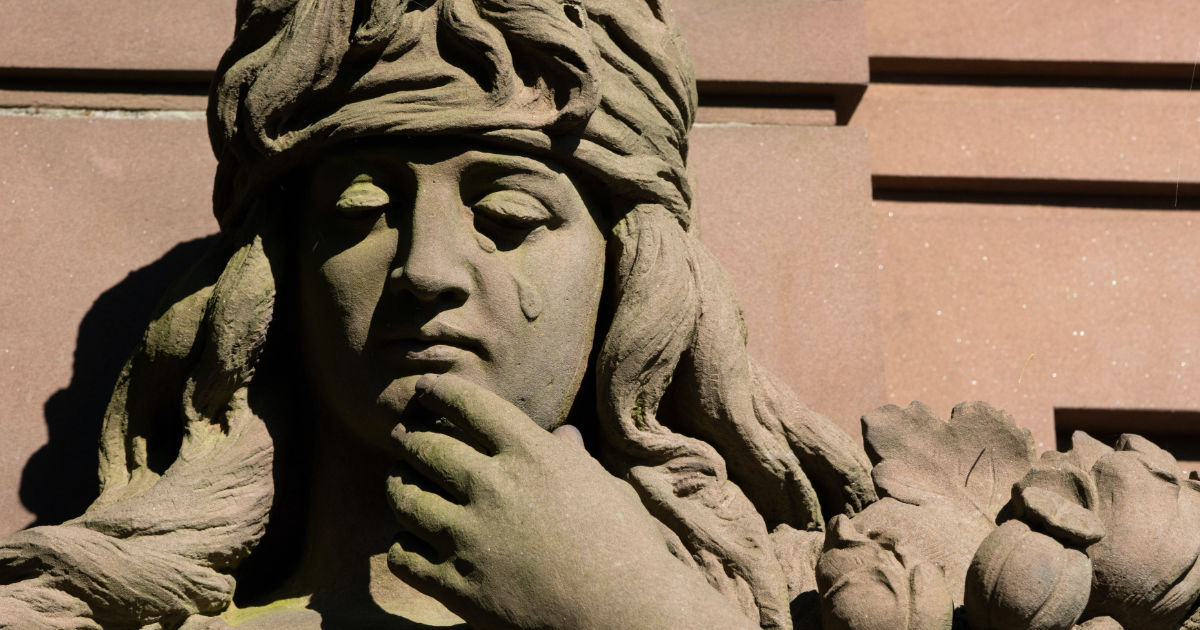
951 – Grief

You cannot prevent the birds of sorrow from flying over your head, but you can prevent them from building nests in your hair. – Chinese proverb

No one told me that grief felt so much like fear. – C.S Lewis

Tears are silent language for grief. – Voltaire

There is no pain so great as the memory of joy in present grief. – Aeschylus

When you are sorrowful look again in your heart, and you shall see that in truth you are weeping for that which has been your delight. – Khalil Gibran

Continue reading

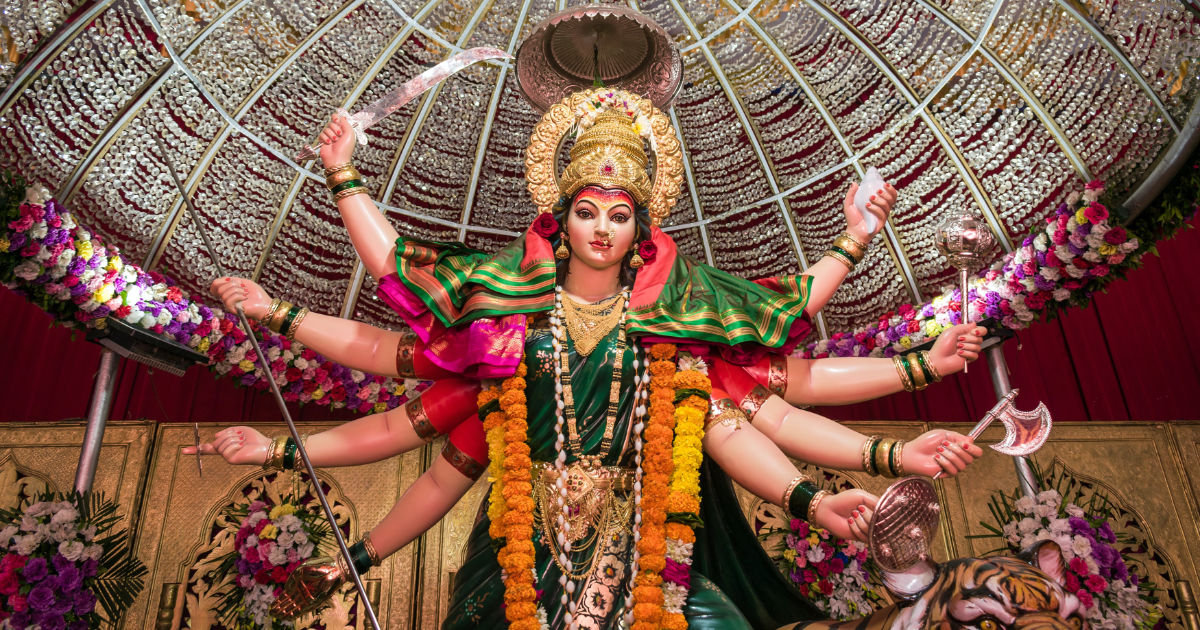
383 – Visualization from the Devi Sukta

Why is the Devi Sukta important?

It brings spiritual and material wellbeing to the believer, listener, and the reader. If one is neither and is only a believer in the power of The Goddess, then the visualization will help. The Devi Sukta destroys all illusions in one’s mind. The Devi Suktam cleanses one’s mind of all apprehensions and suspicions.

It removes all the misfortunes and imperfections of the devotees. A suktam is a hymn in praise of the deity intended a collection of very beautifully composed incantations is called a sukta. Continue reading

327 – Shiva Tantra

Shiva is called Mahadeva (great God), God of the Gods. He is the primordial God and Guru. The whole of Tantra is said to be his instructions. In his form which existed before time, he was five faced. The knowledge of the Vedas came from his upward face and that which came downwards was called Tantra. Continue reading

243 – Gayatri Mantra

Gayatri is the equal partner of the sun and the mantra for prana, with three forms. In the early morning, Gayatri is a little girl. At noon she is a young woman in her prime. In the evening she is a wise, old woman. The colors used for Gayatri are red in the morning, yellow at noon, and grey at night. Continue reading