Who can practice Tantra Shastra?

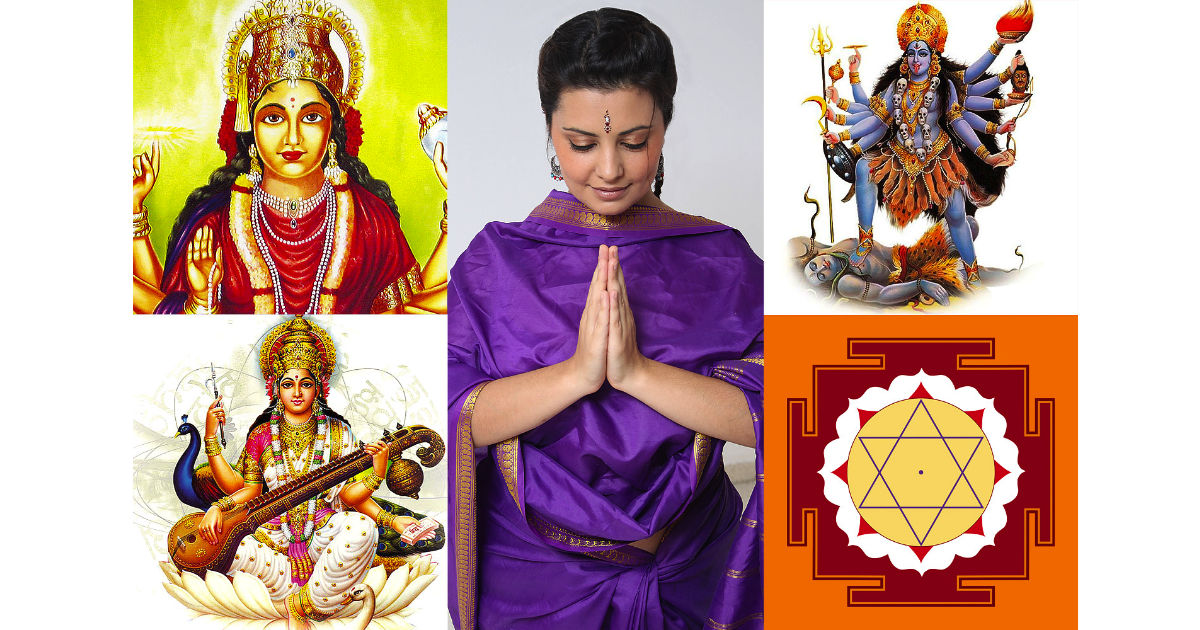
Any one of us can practice Tantra Shastra. It is for those, who are sincere and genuine and who surrender themselves to Shakti.

In Tantra Shastra, every practice is combined and adjusted with the attitudes and behaviors of an average person. One follows the natural process as one does in daily life. Awakening the Goddess does not mean abstinence and rigidity in one’s life. Continue reading

Hymn to the Mother–Ambastuti

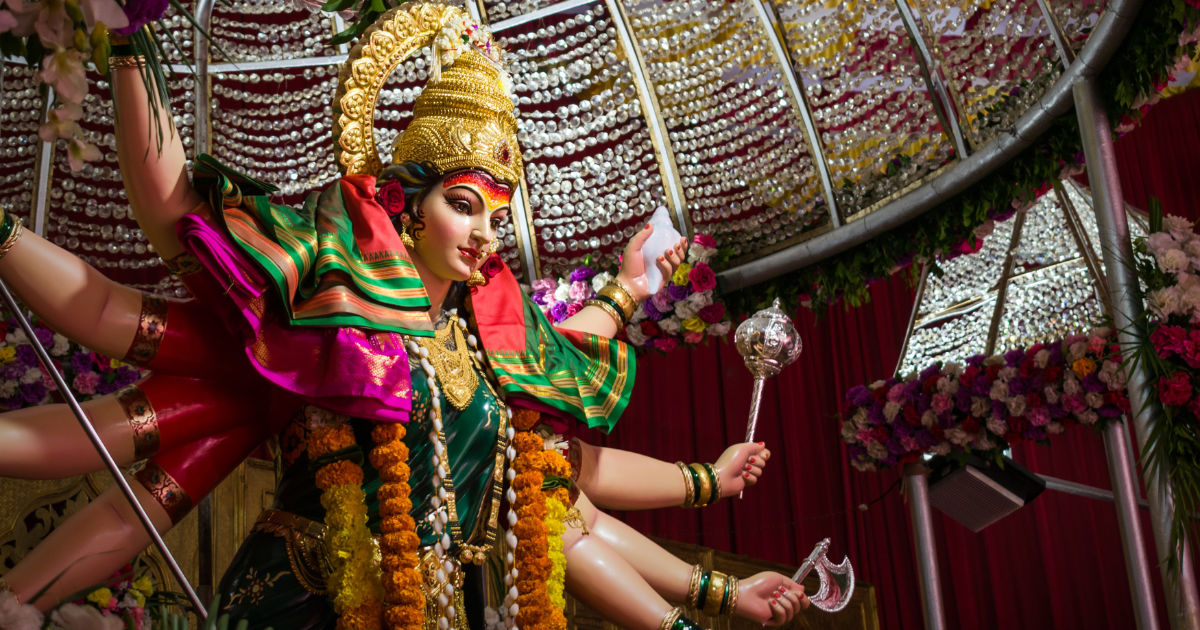
Sri Durgasaptalokistotra—-Song of the seven verses to Sri Durga.

The Sri Durgasaptalokistotra consists of those mantras in which the Devi’s power is most concentrated. It is also written that Shiva praised Devi’s accessibility and requested a process for accomplishing what is desired. Devi then in a loving motherlike manner revealed this song of praise which she called Ambastuti (Hymn to the Mother) and ordained that it was the highest path to spiritual attainment. Continue reading

What does Daya mean?

Let us take Daya. Daya is not Kripa (pity) in Hinduism. One does not feel sorry for the sufferer, because that is blotted by condescension. Daya is compassion which means recognizing one’s own and another’s suffering, in order to alleviate that suffering. Daya is the basis for Ahimsa, a core virtue in the practice of Dharma. It means non-injury and is compassion in action. This action helps prevent suffering in all living things as well as helping beings overcome suffering and move closer to liberation. Continue reading

Creation of Ganesha

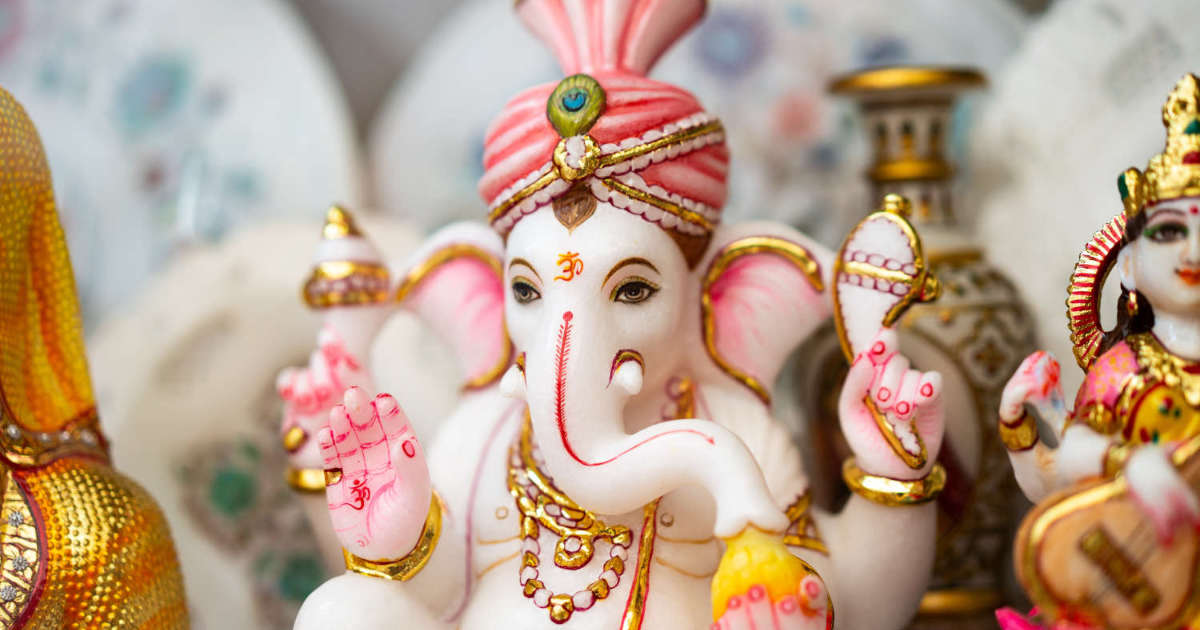
Parvati longed for a person, who would be her guard like Nandi, who was always at Shiva’s side. One day when she was preparing for her bath on Mount Kailash’s, she told Nandi to sit outside. Nandi took his post, intending to carry out Parvati’s wishes. Shiva arrived suddenly as was his habit and he wished to enter. Continue reading

Shiva on my lips and Devi in my mind

Are you willing to be sponged out, erased, cancelled, made nothing? Are you willing to be made nothing? Dipped into oblivion? If not, you will never change. – DH Lawrence

Let me Roam.
With nothing on the body
And with nothing in my hands
Let me roam on the bank of the Ganga
With the name of Shiva on my lips
And the thought of Devi and Durga in my mind
Let me even know that I exist,
And when I die
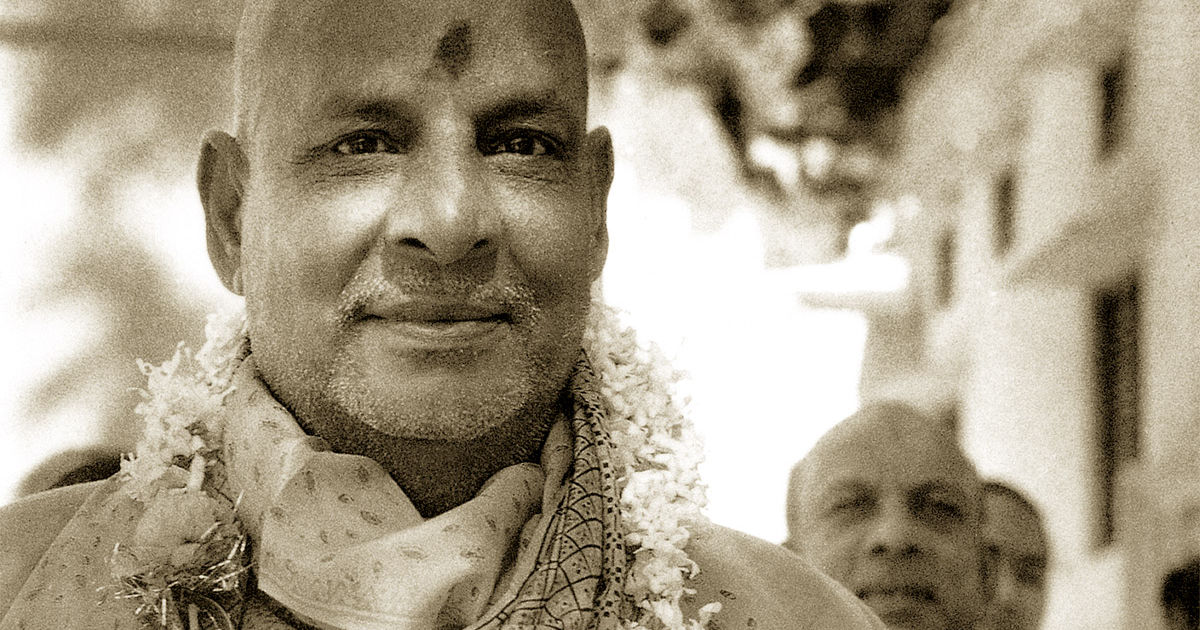
I will not know that I am dying. – Swami Satyananda

Swami Sivananda ‘s directive to Swami Satyananda:

We are instruments, we are mediums. We have to love everybody without passion and attachment. We have to serve everybody without expectation. We have to love God without asking anything from him. The purpose of our spiritual life is to have a vision of the Divine. God has given us everything; we did not ask for it, yet he has given to you everything without you asking for Him.

Dear Ones, three sayings are given. Please read them and take anything from them. If you just follow even one word like without attachment, or ask for nothing, you will be free.

Aim Hrim Klim
 

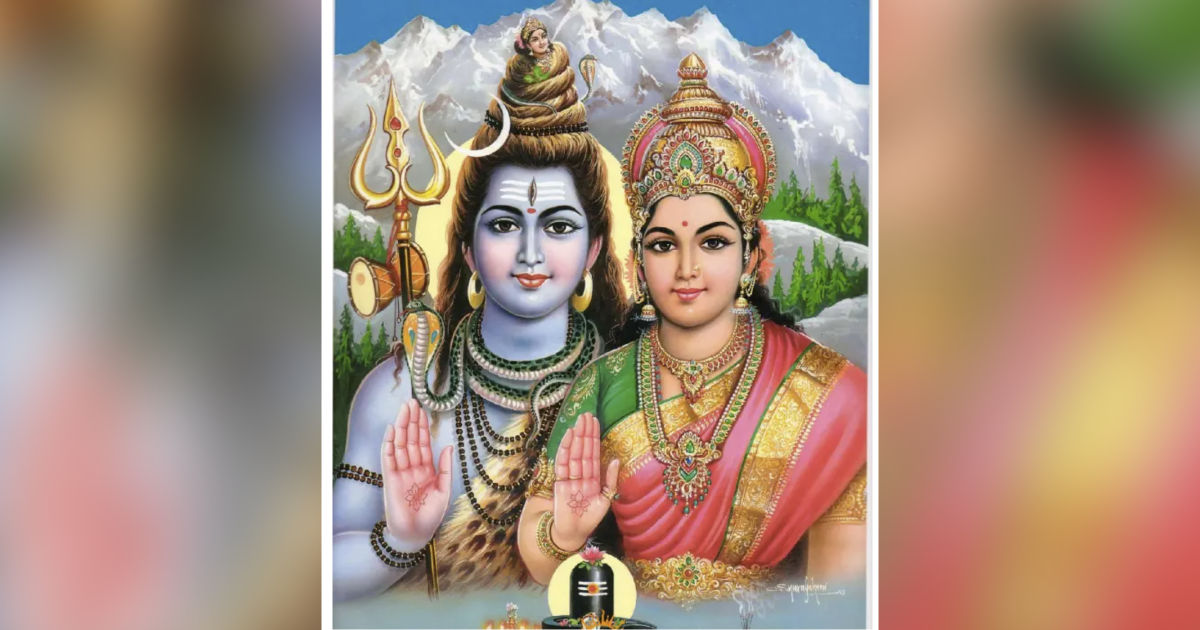
Oh, Mahadevi have mercy

As Hindus we struggle in our lives be free of karma. The effects of karma are far reaching and the mother is keen to show us how to exhaust our karmas. What does this mean? God’s unique quality is mercy and She is Sarvani—the knower of all things. Since God is all knowing, all our misdeeds and actions are known to her. God is Sarva Sakthan and is all powerful and omnipotent. God may create a new hell and we may be pushed into it. However, the divine mercy, which is present in God guides us and it can be our salvation. Continue reading

Deep Aradhana – worship with lamps

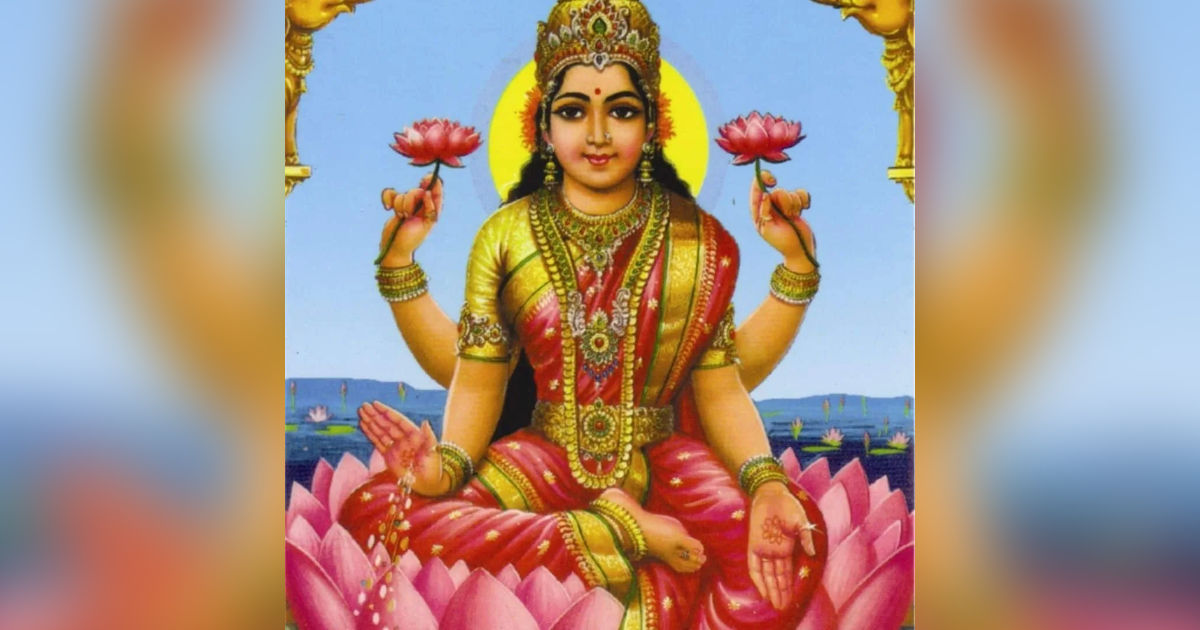
Lakshmi is the Goddess of wealth in every aspect. She resides where there is truth, charity and dharma. The Sri Suktam in the Vedas is dedicated to her and she is one of manifestations of Adya Shakti.

Lakshmi is addressed by many names: Vriddhi (growth), Matri Rupa (like mother), Vasudha (Earth) and as Aditi, mother of all the gods. Continue reading

Hail to the Divine Creatrix

Oh, Mother I entreat you to save the earth. Now is the time, when all of us are praying to you. Please end all the wars, discriminations and hatred.

Swami Sivananda, was a Devi Bhakta as all Gurus are. He addressed Devi as the Supreme Shakti of the Supreme Being. He gives his arguments for his faith and beliefs.

The 13 arguments

Continue reading

984 – Why is Friday an auspicious day for Hindus?

Friday is the auspicious day for the major Goddesses such as Lakshmi, Parvati and Saraswati. It is considered a day of feminine Shakti. Sukra, is the Sanskrit word for brightness and clearness. It is the name of the son of Bhrigu and Khyati (incarnation of Lakshmi) and the preceptor of the Daityas (Devas) and the Guru of the Asuras. Continue reading

964 – Matri Shakti

In the Vedic and Tantric tradition, Devi, the divine mother is worshipped. She has many forms, and they are all symbols of her energy and power. They depict her qualities of compassion, benevolence, her powerful forces which act as catalysts to propel the devotee to attain awareness of the cosmic force, which sustains, nourishes and governs the entire creation. Continue reading

947 – Who are Shaktas?

A Shakta is a devotee of the Mother Goddess and his/her prayer can be described like this verse:

May all my idle talk be your japa, sound divine,
May all my gestures be your mudras,
May all my steps be around your seat,
May all my lying down be your pranam,
May all your oblations be my only food,
And may all acts of mine be in joy for you.

Extracted from a hymn dedicated to Tripura Sundari from Saundarya Lahiri. Continue reading