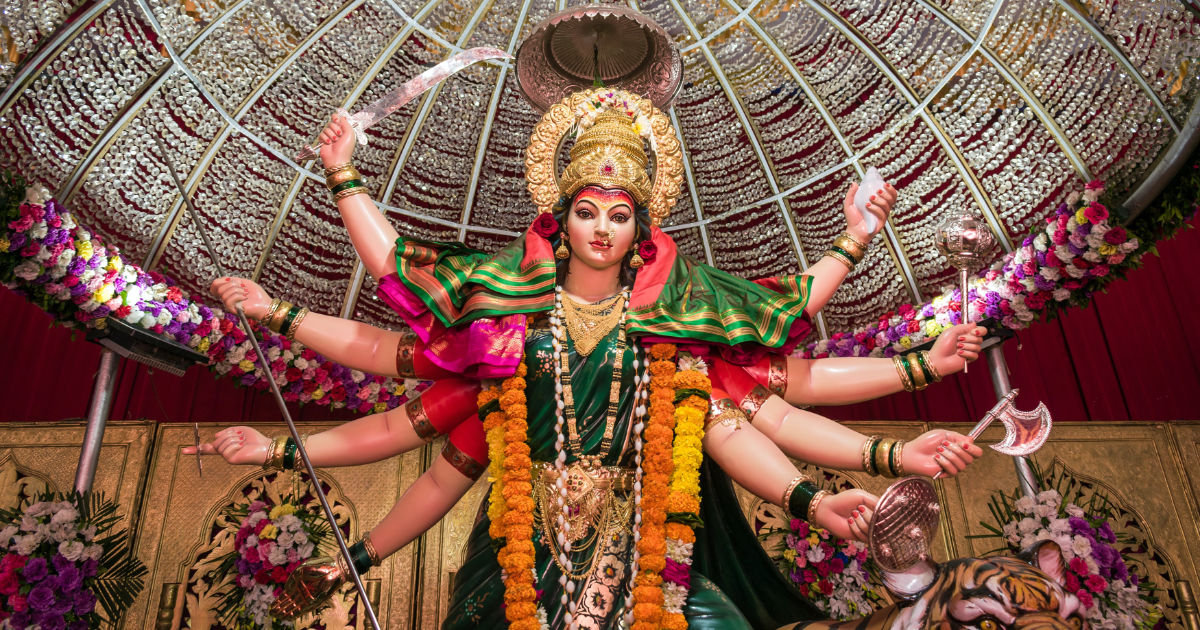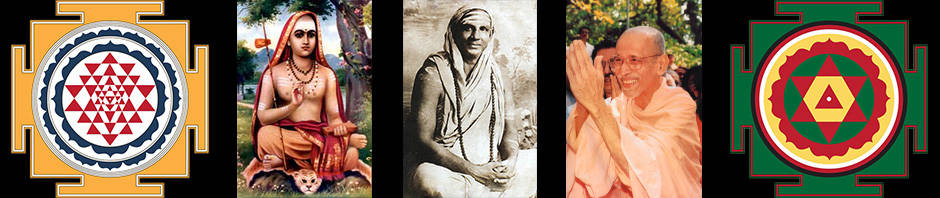
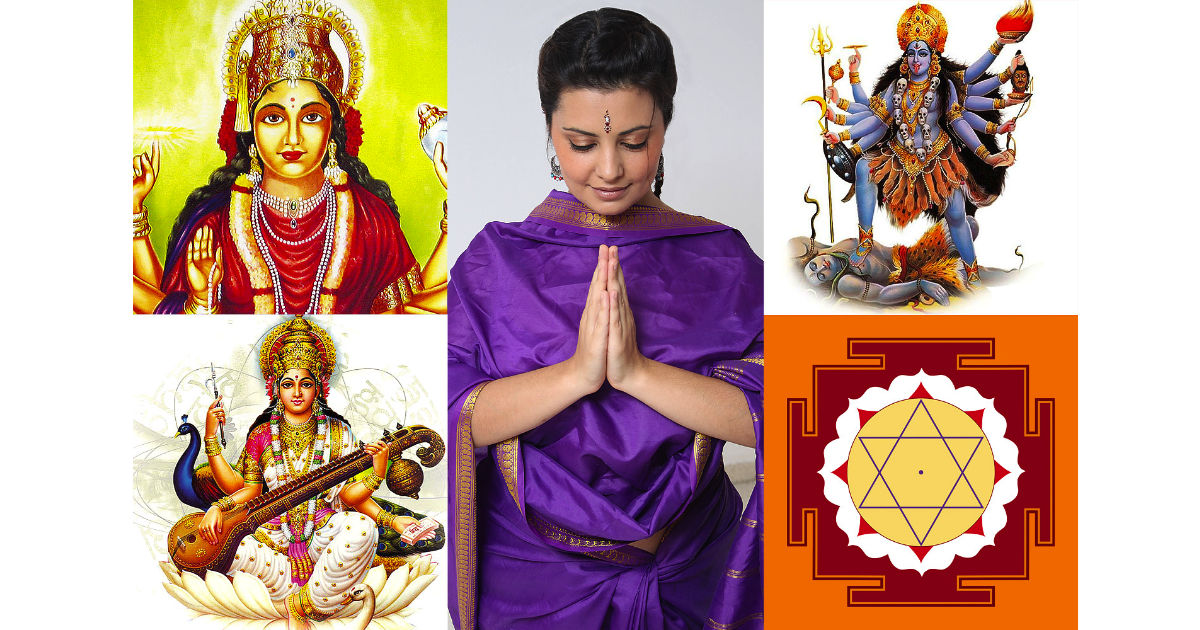
Worshippers of the Devi or shakti are called Shaktas. The Agama (received knowledge) literature details the Upasana for Shaktas, the concept behind Shaktism which play an important role in Tantrik worship. Continue reading
Rejoice is such a simple word and yet it has such a powerful meaning. What is it that we want? To rejoice or to be upset? If we start by looking at a rose and admiring its beauty, its color and its fragrance, we feel so good. Our heart lightens up. Conversely, we pluck a rose and get pricked by its thorns, we are cross or angry. Read what is said by Abraham Lincoln.
We can complain because rose bushes have thorns or rejoice because thorn bushes have roses. Continue reading
A Shakta is a devotee of the Mother Goddess and his/her prayer can be described like this verse:
May all my idle talk be your japa, sound divine,
May all my gestures be your mudras,
May all my steps be around your seat,
May all my lying down be your pranam,
May all your oblations be my only food,
And may all acts of mine be in joy for you.
Extracted from a hymn dedicated to Tripura Sundari from Saundarya Lahiri. Continue reading
We have many greetings and each one is very sacred in its meaning. These salutations can be used by us in our daily interactions. When we utter them, we are being blessed and our addressee is also blessed. Continue reading
Dear Ones, yesterday was the start of the festival of nine days of worship of the Mother Goddess. Forgive me for being slow as I had to have an emergency gall bladder surgery. I am back home now. Slow and careful and no sadhana other than meditation. Continue reading

Who does not love pots and pans? Many of us collect them as treasures and do not use them. They shine with their copper bottoms, glowing, red mud pots. The blacksmith and potter have crafted them so that the food is delicious and eaten with love. Continue reading
Cry to your Mother Syama with a real cry, O mind!
And how can she hold herself from you?
How can Syama stay away?
How can your mother, Kali hold herself away?
O mind if you are in earnest, bring her an offering
Of bel-leaves and hibiscus flowers;
Lay at her feet your offering
And with it mingle the fragrant sandal-paste of Love. – Ramakrishna Parmahamsa
In the mudra of granting what you desire.
The mantra for granting our heart’s desire is from Saundarya Lahiri – Verse 3.
Avidyaanaamantas-timira-mihirodveepa-nakaree
Jadaanaam Chaitanya tabaka-makaranda-sruti-jharee;
Daridraanam chintaa manigunanikaa janmajaladhau
Nimagagaanam damshtraa muraripu-varaahasya bhavati.
Swami Sivanananda respected all women and treated them as reflections of the Devi Ma. He conducted no formal worship of the Mother Goddess. A venerated scholar from South India visited Swami Sivanananda’s ashram. He was overwhelmed by the spirituality, piety and beauty of the ashram. He said to Swami Sivanananda that the spiritual wealth and vibrance were the blessings of Tripura Sundari. Continue reading
This saying is said in a very derogatory manner. If you are gentle, you are called soft hearted, if you are afraid, faint hearted, if you feel for the deprived, you are a bleeding heart. What we tend to forget is that our soul resides in our heart. Our soul is pure and we can be evil incarnate but our soul remains pure. Continue reading