Spiritual progress is only possible with purification of one’s heart. How does one purify one’s heart? Our spirit, Atman is pure and remains pure. No evil can contaminate it. Continue reading
Spiritual progress is only possible with purification of one’s heart. How does one purify one’s heart? Our spirit, Atman is pure and remains pure. No evil can contaminate it. Continue reading
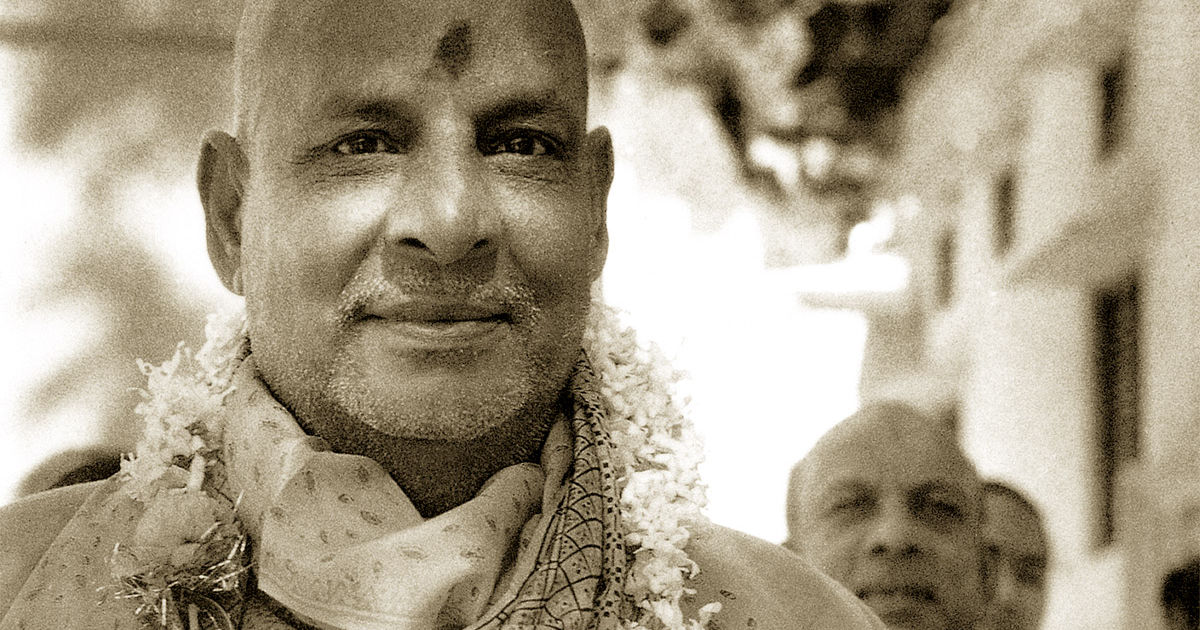
Swami Sivananda defines color and thoughts brilliantly. He also speaks about the color of our thoughts. According to him, a spiritual thought is yellow in color, an angry thought is red in color, a thought focusing on hatred is of a blood red color and a selfish thought is brown in color. Continue reading
What do we understand about gratitude? Is it acknowledgement, appreciativeness, responsiveness, gratefulness, obligation, thankfulness or all of the above?
Our Gurus, wise men and seers say that we must be indebted to the universe and its inhabitants. However, we are enamored of the word that we use it in daily affirmations without understanding the meaning and absorbing it in our life.
How do we perform a gratitude sadhana? Continue reading
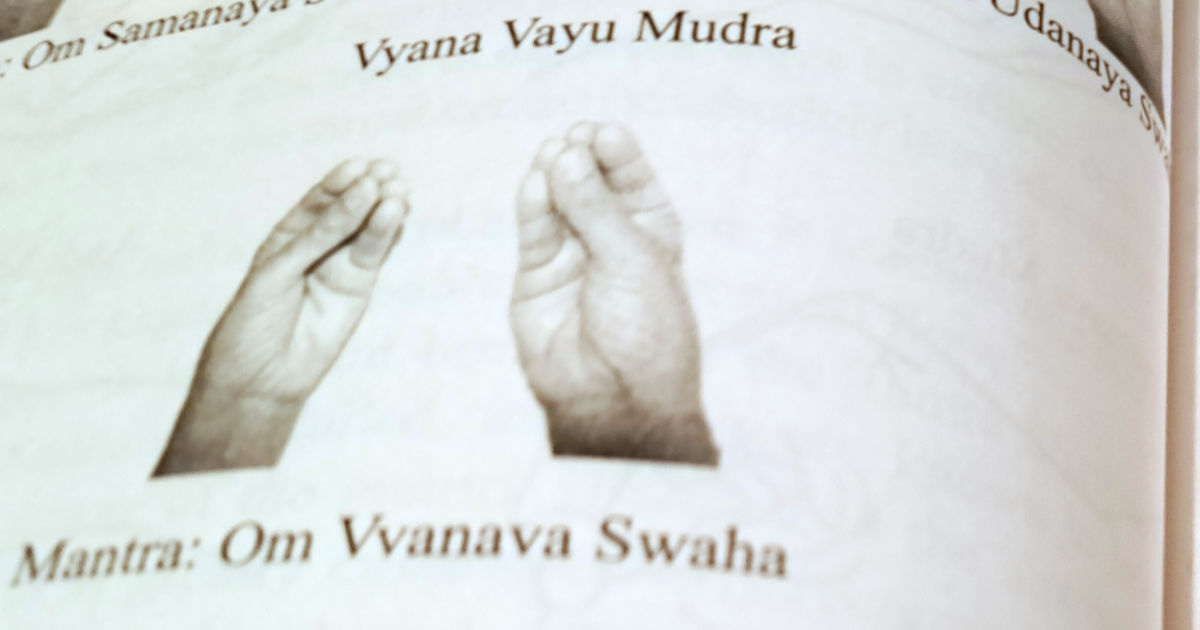
It is a sweeping statement. However, it is possible. Our body is made up of five basic elements – the panch tattva. The five fingers of our hands are regarded as representative symbols of the panch tattvas. Continue reading

How does your day start? I know how mine starts. I silently chant my mantra for the Goddess and then I sit up and leave my bed. My first response are my guests seated in the balcony. My wild cats, mother and son and their extended family are the guests. I light the incense in the different rooms. I give them their breakfast and then play my chants on the CD player. After that it is one thing after the other. Continue reading

Awareness is the mantra for maitri. Be sensitive of your feelings towards others when you engage with them. Have you built a wall round yourself or are you open? Continue reading

We all suffer from guilt. It is part of our personality. If we were free of guilt we would not be motivated to accomplish anything. We survive through guilt and evolve through it. However there is a stage in life when one can be free of guilt, and there will not be any hindrance to one’s mental and emotional growth. Continue reading

What is a yogic life style? It is a way of life, a sadhana and a philosophy. When we start the practice, initially we think that the asanas are good for us. However when we perform an asana, we are keeping three things in mind. We are watching ourselves, we are aware of our breath and we are counting our breath. Continue reading

We step out and what do we see. Do we see the green of the trees, and the birds twittering about. Do we see how much dust covers the leaves. Thoughts go through our mind, it is so dusty. And the crows are making a racket, I wish they would shut up. I am giving small examples from day to day living. Continue reading
 BFF. It is an abbreviation for Best Friends Forever. It is a term of endearment. We all have a BFF. Just saying it makes us happy. It brings a smile to our faces. Everyone knows it, even kids, little ones. I know that we all like the abbreviation very much. We feel good with it. Have you thought what is with you all the time and never let’s go. Your thoughts. Continue reading